


- Small Penis Treatment Dubai
- Longevity Health Check Dubai
- Male Genital Cosmetology Dubai
- Male Sexual Problems Treatment Dubai
- Prevention Health Check Dubai
- Premature Ejaculation Treatment in Dubai
- Erectile Dysfunction Treatment in Dubai
- Azoospermia (Zero Sperm Count) Treatment in Dubai
- Peyronie’s Disease Treatment in Dubai
- Reduced Penile Girth Treatment in Dubai

Blog
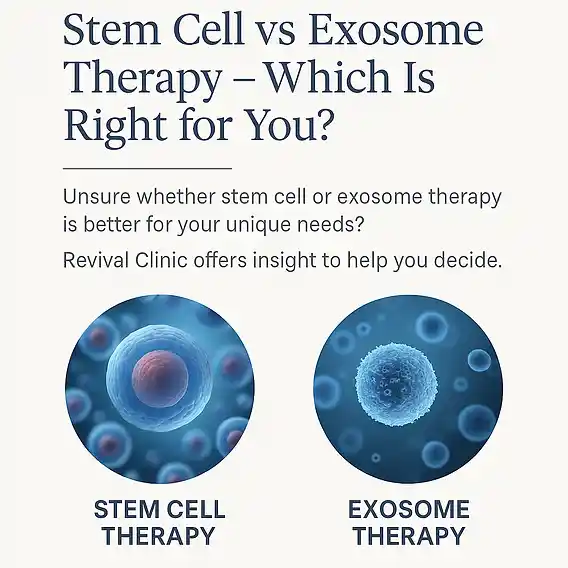
Regenerative medicine is transforming modern healthcare by focusing on restoration rather than symptom management. Two of the most talked-about treatments today are exosome therapy and stem cell therapy. While both aim to repair damaged tissue and enhance healing, they work in different ways.
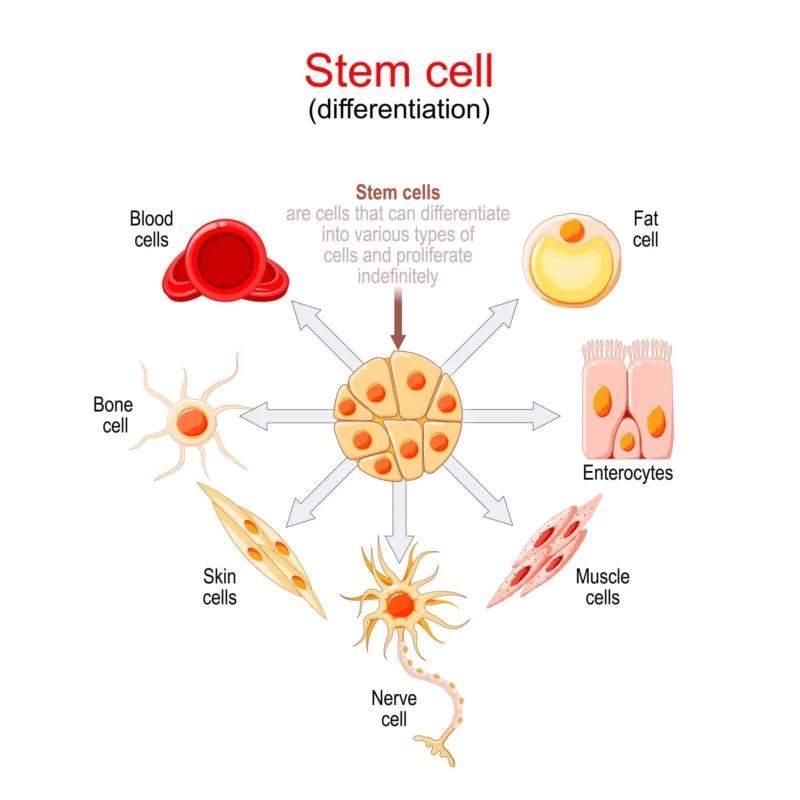
What Is Stem Cell Therapy?
Stem cell therapy, or regenerative medicine, uses specialized stem cells to repair, replace, or regenerate diseased, dysfunctional, or injured tissue. These cells are transplanted into the body to treat conditions like cancer, blood disorders, and joint injuries. Common sources include adult bone marrow, adipose tissue, and umbilical cord blood.
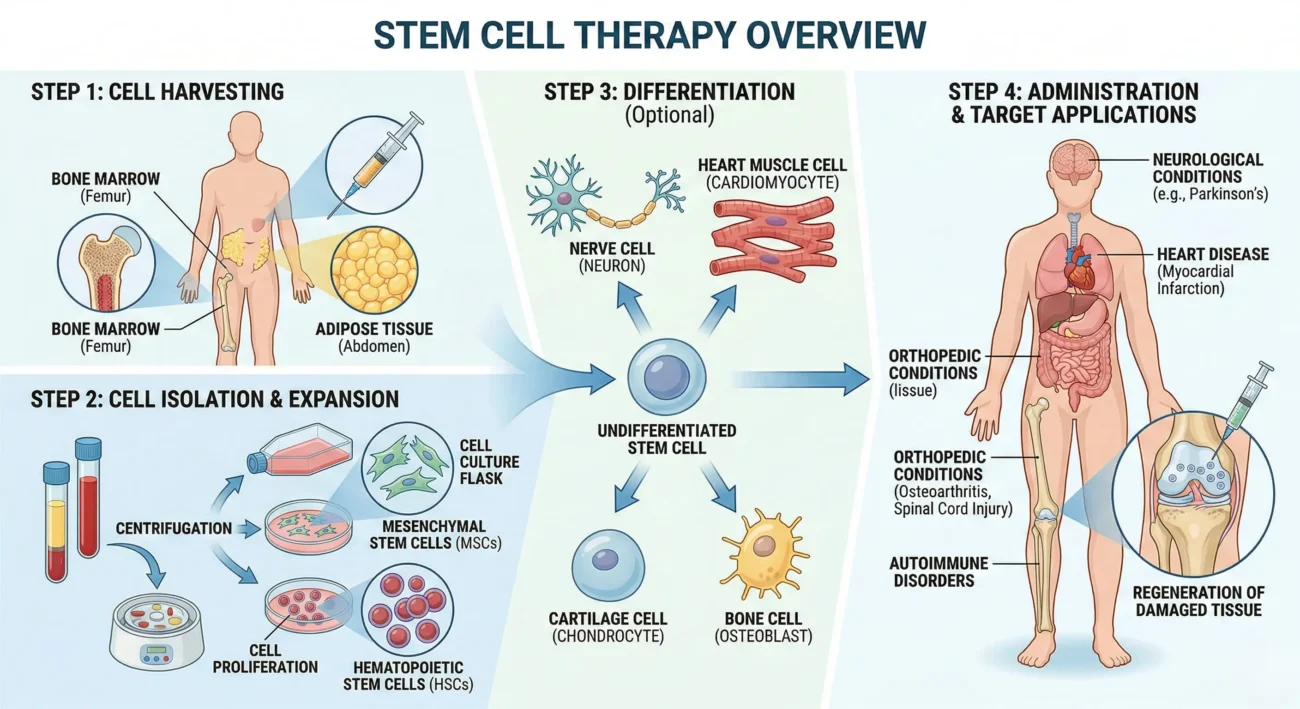
How Stem Cell Therapy Works
Stem cell therapy works by introducing, promoting, or replacing specialized cells to repair diseased or injured tissue, often using the body’s own regenerative mechanisms. These cells differentiate into needed cell types, reduce inflammation, and can release healing factors to support recovery. Common applications include treating bone marrow, joints, or blood diseases.
- Regenerative Action: Stem cells are injected into damaged areas (such as joints or tissues) where they differentiate into, or promote the repair of, surrounding cells.
- Signaling and Support: Instead of directly becoming new tissue, injected stem cells may release chemical signals and growth factors that stimulate the body’s own cells to repair damage.
- Anti-inflammatory Effects: Mesenchymal stem cells (MSCs) are often used for their ability to reduce inflammation and modulate the immune system, making them useful for autoimmune diseases.
Replacement (Transplantation): In leukemia or blood disorders, damaged stem cells are replaced with healthy, donated stem cells (allogenic) or the patient’s own stem cells (autologous) to rebuild a healthy blood and immune system.
What Is Exosome Therapy?
Exosome treatment is a cutting-edge, non-invasive regenerative therapy using tiny extracellular vesicles derived from cells (often stem cells) to repair tissues and improve cellular communication. By delivering growth factors, proteins, and RNA, they rejuvenate skin, promote hair growth, and reduce inflammation, commonly used in dermatology and hair restoration.
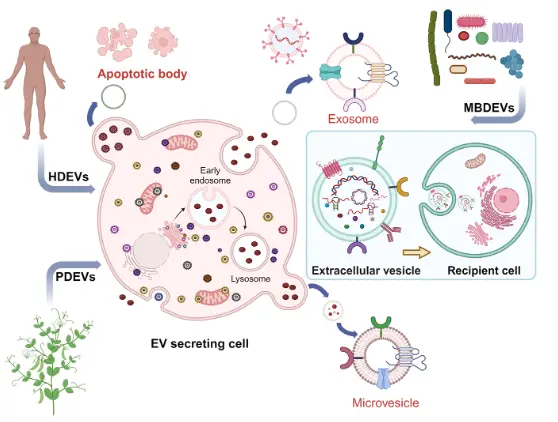
[H3] Key Aspects of Exosome Treatment:
- How it Works: Exosomes are applied topically or injected, typically after procedures like microneedling (1.5-2mm depth) to help them penetrate the skin or scalp.
- Skin Rejuvenation: Reduces wrinkles, fine lines, age spots, and acne scars while improving skin elasticity and collagen production.
- Hair Restoration:
Treats hair loss (alopecia) by stimulating dormant hair follicles, improving scalp health, and increasing hair density. - Applications: Used for anti-aging, acne, scarring, rosacea, and accelerating wound healing.
- Procedure & Results: Often involves 5-6 sessions at 1-month intervals for best results, with minimal downtime.
- Safety & Regulation: While highly promising for regenerative medicine, it is important to note that many exosome therapies are not FDA-approved, and research is ongoing.
[H3] Benefits of Exosome Treatment:
- Enhanced Cell Communication: Promotes faster cellular repair.
- Anti-inflammatory: Helps manage inflammatory skin conditions and, in some research contexts, immune-related disorders.
- Non-invasive: Offers a minimally invasive alternative to surgery for aesthetic improvements.
[H2] Key Differences: Exosome Therapy vs Stem Cell Therapy
| Feature | Stem Cell Therapy | Exosome Therapy |
| Nature | Living, self-replicating cells. | Non-living, acellular nanoparticles (vesicles). |
| Mechanism | Engraftment, proliferation& differentiation into new tissue. | Paracrine signaling; delivers growth factors & RNA to cells. |
| Origin | Derived from bone marrow, fat, umbilical cord. | Extracted & concentrated from cultured stem cells. |
| Safety/Immune Risk | Potential for immunogenicity or tumor formation. | Low risk of immune rejection; no tumor risk. |
| Size & Access | Large (cells); harder to pass through biological barriers. | Very small; easily crosses barriers (e.g., blood-brain). |
| Storage & Stability | Requires cryopreservation (living cells). | Stable for long-term storage, often lyophilized. |
| Treatment Focus | Direct replacement/rebuilding of damaged tissue. | High-potency signaling to repair and rejuvenate cells. |
| Regulatory Status | Heavily regulated (living product). | Newer, potentially faster, though standardization is needed. |
Benefits of Stem Cell Therapy
Stem cell therapy offers significant potential to regenerate damaged tissues, reduce chronic pain, and treat various diseases by replacing dysfunctional cells with healthy ones. Benefits include enhanced healing of joint injuries, reduced inflammation, and improved mobility in orthopedics, with minimal downtime compared to surgery. Key applications include treating blood cancers, autoimmune disorders, and neurological conditions.
Key Benefits of Stem Cell Therapy
- Tissue Regeneration and Repair: Stem cells can differentiate into specialized cells (e.g., cartilage, bone, muscle) to repair tissues damaged by injury or disease.
- Chronic Pain Reduction:It effectively reduces pain associated with conditions like osteoarthritis, tendon tears, and ligament injuries by targeting the root cause of inflammation.
- Improved Mobility: Patients often experience increased flexibility and range of motion following treatment.
- Avoids Surgery: It acts as a minimally invasive, non-surgical alternative to procedures like knee replacements, offering faster recovery times.
- Treatment for Blood Diseases: It is an established, effective treatment for leukemia, lymphoma, and other blood disorders.
- Anti-inflammatory Effects: Stem cells have immunomodulatory properties that help manage autoimmune conditions.
- Low Risk of Rejection: Using a patient’s own cells (autologous) or carefully matched donor cells minimizes the risk of immune rejection.
Benefits of Exosome Therapy
Exosome therapy offers advanced regenerative benefits by using stem-cell-derived vesicles to repair damaged cells, significantly boosting collagen and elastin for skin rejuvenation, accelerating wound healing, and promoting hair follicle regeneration. It reduces inflammation, minimizes fine lines, and improves skin texture and tone.
Key Benefits of Exosome Therapy:
- Skin Rejuvenation & Anti-Aging: Stimulates fibroblasts to increase collagen and elastin production, resulting in firmer, smoother, and more hydrated skin. It effectively reduces wrinkles, fine lines, and improves skin texture.
- Hair Restoration: Activates dormant hair follicles and strengthens the hair growth environment, increasing hair density and thickness.
- Accelerated Tissue Repair & Healing: Enhances the body’s natural healing process for skin injuries, surgical wounds, and chronic ulcers.
- Reduced Inflammation: Calms skin inflammation (e.g., rosacea, acne) and helps treat joint inflammation and degenerative conditions.
- Scar Reduction: Aids in tissue remodeling to reduce the appearance of scars.
Which Is More Effective?
When comparing exosome therapy vs stem cell therapy, effectiveness depends on your specific condition, treatment goals, and overall health profile. There is no universal “better” option, only the therapy that best matches your biological needs.
Stem Cell Therapy May Be More Effective If:
- There is significant structural tissue damage
- Cellular replacement is required
- Degenerative joint or orthopedic conditions are advanced
- The goal is rebuilding damaged tissue
Because stem cells are living cells, they have the potential to differentiate into new tissue and support long-term structural regeneration.
Exosome Therapy May Be More Effective If:
- Chronic inflammation is the primary issue
- You are seeking minimally invasive treatment
- Cellular signaling needs optimization
- Recovery enhancement or performance support is the goal
- Early-stage degeneration is present
Exosomes excel at modulating inflammation, enhancing cellular communication, and stimulating the body’s natural repair pathways.
Can They Work Together?
In some advanced regenerative protocols, stem cells and exosomes may be used complementarily. Stem cells provide regenerative capacity, while exosomes enhance signaling and healing efficiency.
Safety Considerations
Both therapies are generally considered safe when performed by qualified medical professionals.
Stem cell therapy involves handling live cells, which may carry:
- Higher regulatory oversight
- Potential immune response
- Procedural complexity
Exosome therapy, being cell-free, may have:
- Lower immune risk
- Reduced procedural invasiveness
- Shorter recovery time
However, treatment quality and sourcing standards are critical in both cases.
Who Is a Good Candidate?
You may consider regenerative therapy if you:
- Have chronic joint pain
- Experience tissue degeneration
- Seek anti-aging solutions
- Have inflammatory conditions
- Want minimally invasive options
Choosing between exosome therapy and stem cell therapy requires professional assessment.
Why Professional Guidance Matters
Regenerative therapies require proper sourcing, handling, and medical oversight. Not all treatments are equal, and outcomes depend heavily on expertise and patient selection.
Choosing the right therapy without comprehensive assessment may limit results.
Take the Next Step Toward Advanced Regenerative Care
If you are considering exosome therapy or stem cell therapy, expert evaluation is essential.
At Lumora Wellness, we combine advanced regenerative science with personalized care to help you restore function, vitality, and long-term wellness.
Schedule Your Private Consultation Today
Discover which regenerative therapy is right for your body and your goals.
Book your confidential consultation with Lumora Wellness and take the first step toward precision-driven healing and optimized vitality.
FAQs
What is the fundamental difference between the two?
Stem cells are living cells that can differentiate into various tissue types to replace damaged ones. Exosomes are non-living vesicles (cellular messengers) that carry signals like proteins and RNA to tell existing cells how to heal.
Which one is better for anti-aging and skin rejuvenation?
Exosome therapy is generally preferred for aesthetics. They can contain nearly three times the growth factors of adult stem cells, effectively stimulating collagen and reducing inflammation without introducing new cells.
When is Stem Cell Therapy the better choice?
Stem cells are superior when structural repair is needed, such as rebuilding cartilage in severe joint degeneration or repairing deep tissue after significant injury.
Which therapy is safer regarding side effects?
Exosomes are considered safer because they are acellular and contain no DNA, meaning there is virtually no risk of immune rejection or tumor formation (uncontrolled growth).
Is there a difference in how they are administered?
Yes. Stem cell therapy often requires an invasive extraction (like harvesting bone marrow or fat). Exosomes are lab-prepared and can be applied via simple injections, IVs, or even inhalation.
Can the two therapies be used together?
Absolutely. Many clinics use a combinational approach where stem cells provide the “building blocks” for new tissue while exosomes amplify the healing signals and control inflammation.
How quickly do results appear for each?
Exosomes typically produce faster results for inflammation and surface healing (often within weeks) because they are immediately biologically active. Stem cell results may take longer as the cells need time to integrate and grow into new tissue.
Which is more cost-effective?
Exosome therapy is often more affordable. Stem cell therapy involves higher costs due to the complex lab processing required to handle and culture living cells.
Are these treatments FDA-approved?
Currently, Exosome therapy is not FDA-approved for clinical use in the U.S.. The only FDA-approved stem cell therapy is for certain blood and immune disorders using hematopoietic progenitor cells.
Who is the ideal candidate for Exosome Therapy specifically?
Ideal candidates include individuals seeking non-surgical solutions for hair loss, joint pain, chronic inflammation, or mild to moderate signs of aging without the downtime of traditional cell transplants.
