


- Small Penis Treatment Dubai
- Longevity Health Check Dubai
- Male Genital Cosmetology Dubai
- Male Sexual Problems Treatment Dubai
- Prevention Health Check Dubai
- Premature Ejaculation Treatment in Dubai
- Erectile Dysfunction Treatment in Dubai
- Azoospermia (Zero Sperm Count) Treatment in Dubai
- Peyronie’s Disease Treatment in Dubai
- Reduced Penile Girth Treatment in Dubai



Men's Genital Cosmetology · Dubai
Reduced Penile Girth Treatment in Dubai
Penile girth — the circumference of the shaft — can reduce over time through age-related collagen loss, tissue changes after surgery or injury, or underlying vascular and metabolic conditions. It is a recognised clinical concern, and in most cases it can be addressed without surgery.
At Lumora Wellness in Dubai, girth restoration begins with a full anatomical and erectile function assessment, then a plan matched to what that assessment found — high-density hyaluronic acid filler, autologous fat grafting, or regenerative support, delivered under DHA-licensed medical supervision by Dr. Vasan Satya Srini.
Non-surgicalReversible options first
30+ yearsAndrology experience
ConfidentialDiscreet, judgment-free
The basics
What Is Reduced Penile Girth?
Reduced penile girth refers to a loss of circumference or volume across the penile shaft, distinct from concerns about length. Men typically describe it as the shaft appearing or feeling narrower than it once did, sometimes with a noticeable change in contour or firmness of the surrounding tissue.
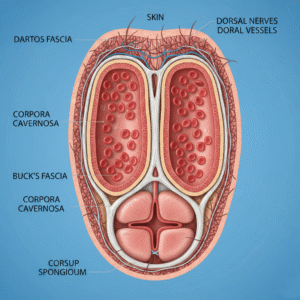
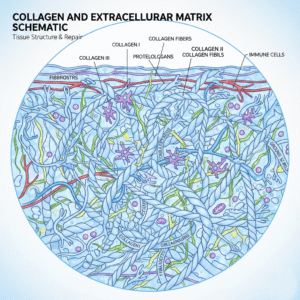
Girth is determined largely by the soft tissue layers surrounding the erectile bodies — skin, dartos fascia, Buck's fascia, and the subcutaneous plane between them. When collagen density, elasticity, or extracellular matrix volume in those layers declines, circumference declines with it.
It is worth separating two things at the outset. Girth reduction is a structural and volumetric concern. Difficulty achieving or maintaining rigidity is a vascular and neurological one. They can occur together, and an assessment should check for both, but they are not the same condition and are not treated the same way.

In short
Reduced penile girth is a decrease in the circumference of the penile shaft, most often caused by age-related collagen loss, changes to the extracellular matrix, scarring from prior surgery or injury, or metabolic and vascular conditions that affect tissue quality.
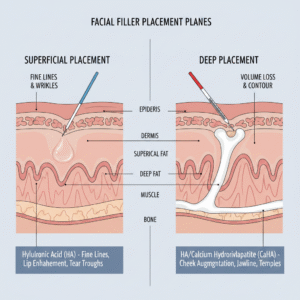
Non-surgical treatment restores circumference by adding volume within the correct anatomical plane — using high-density cross-linked hyaluronic acid filler, autologous fat grafting, or a combination — while preserving the neurovascular structures and erectile function beneath.
Suitability, technique, and expected volume are determined during clinical assessment. Outcomes vary between individuals and no specific result can be guaranteed.

Why it happens
What Causes Loss of Penile Girth?
Girth reduction is rarely traceable to one cause. In most men it reflects a combination of the following:
- Age-related collagen decline — reduced collagen and elastin density in the dermal and fascial layers
- Extracellular matrix loss — thinning of the structural scaffolding that holds soft tissue volume
- Prior surgery or injury — scarring, fibrosis, or tissue loss following pelvic or genital procedures
- Metabolic and vascular factors — diabetes, obesity, and impaired microcirculation affecting tissue quality
- Connective tissue thinning — sometimes linked to inflammatory or fibrotic conditions such as Peyronie's disease
- Significant weight change — altering the suprapubic fat pad and the apparent proportions of the shaft
Because tissue quality and tissue volume are both involved, effective girth enhancement generally needs to address the two together. Adding volume to poor-quality tissue produces less durable, less even results than optimising the tissue environment alongside it.
Your options
Non-Surgical Penile Girth Enhancement Options
Four approaches, selected around your anatomy, tissue quality, and goals — not offered as a fixed package. In most cases the reversible options are considered before anything permanent.
Most commonly used
High-Density HA Filler
Highly cross-linked hyaluronic acid is the option most often used for durable, structurally stable girth enhancement. Compared with lower-density products it offers:
- Greater structural integrity
- Improved resistance to deformation
- Longer duration of volume retention
- Reduced migration risk when correctly placed
Reversible — can be dissolved if the result needs adjusting.
Autologous Fat Grafting
Fat transfer uses your own harvested tissue, which removes immunologic risk. It is, however, associated with:
- Variable resorption between individuals
- Asymmetry risk as volume settles
- Less predictable long-term contour
- A second, donor-site procedure
Appropriate in selected cases, discussed individually.
Regenerative Cellular Support
Connective-tissue-origin preparations may be integrated to support tissue quality rather than add volume directly. Proposed mechanisms under investigation:
- Extracellular matrix signaling support
- Support of collagen balance
- Modulation of the inflammatory microenvironment
- Integration of filler with native tissue
Adjunctive — used alongside volume, not instead of it.
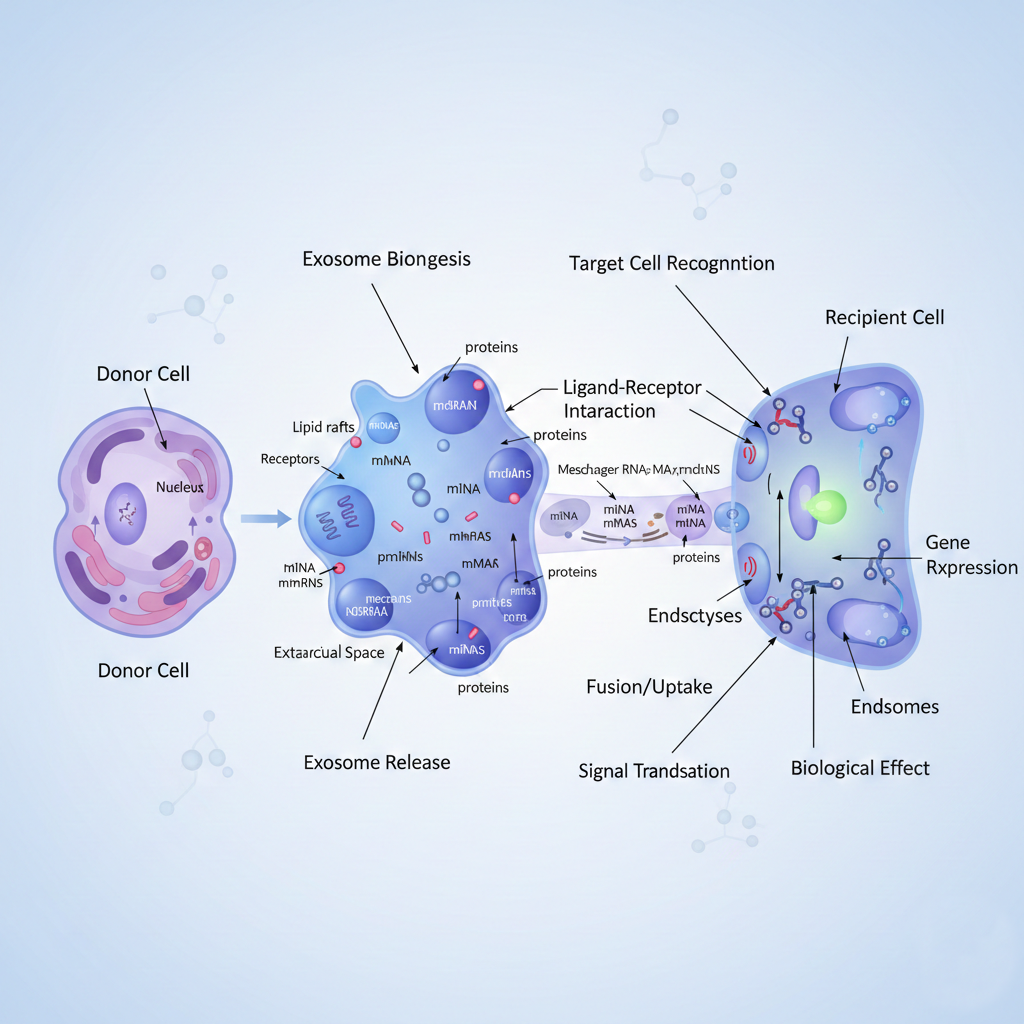
Exosome-Based Support
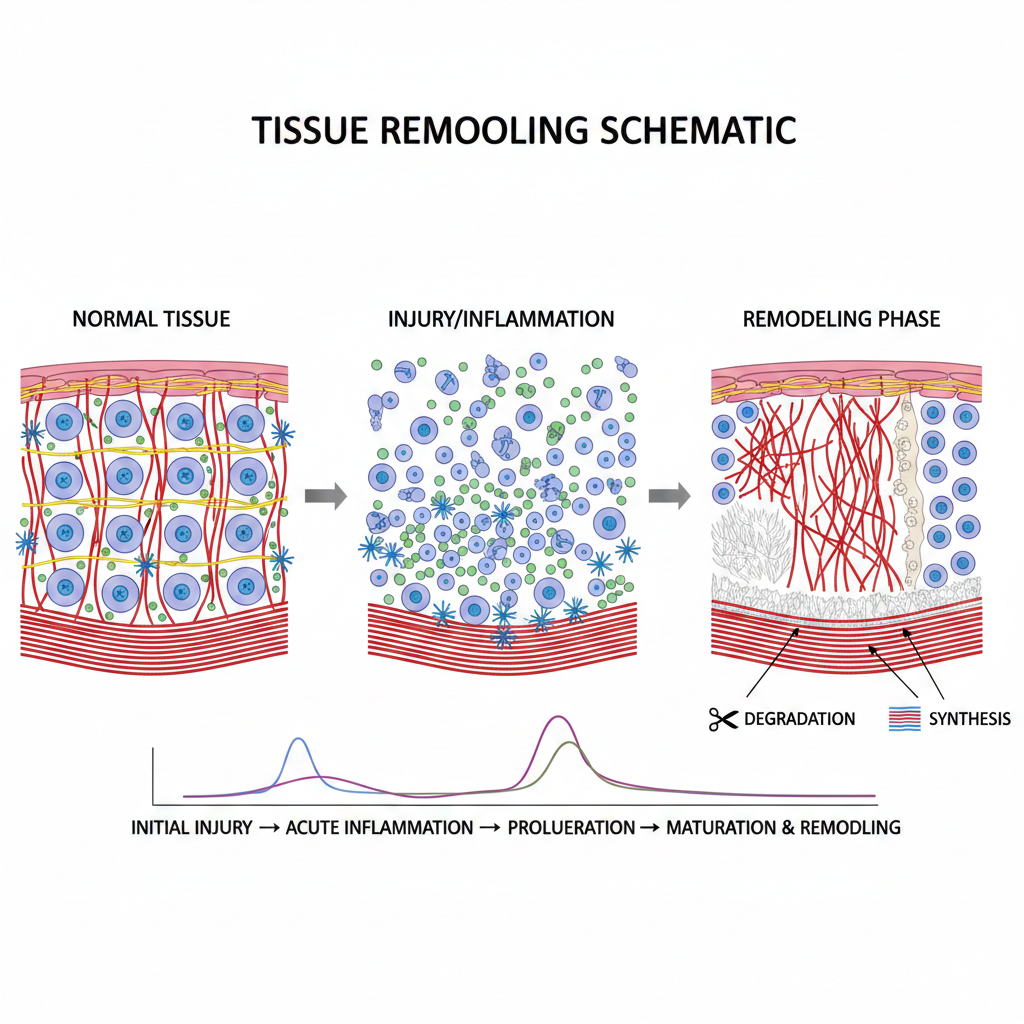
Exosomes are extracellular vesicles involved in cell-to-cell communication. In penile enhancement protocols, localised application is studied for its role in:
- Tissue remodeling
- Reduced inflammatory response
- Enhanced vascular microenvironment
- Improved filler integration
An evolving research area, not settled practice.
Integrated Combination Protocol
Where clinically justified, volumetric placement is combined with regenerative support. Protocols are individualised based on:
- Anatomical assessment findings
- Existing tissue quality and elasticity
- Metabolic and vascular profile
- Your own stated goals
Never applied as a uniform package.
What We Don't Offer
Unregulated silicone, mineral oil, and paraffin injections are used for girth enhancement in some settings. Documented complications include:
- Granuloma formation
- Product migration and disfigurement
- Chronic infection
- Need for reconstructive surgery
Not used here. Ask any clinic to name the product.
All procedures described are performed under licensed medical supervision in accordance with UAE healthcare regulations. Individual outcomes vary depending on anatomy, tissue quality, and biological response. No specific result is guaranteed, and every option carries risks that are discussed in full before consent.
At a glance
Comparing Girth Enhancement Approaches
A simplified comparison to help frame your consultation. Your own suitability depends on findings from clinical assessment.
| Approach | Material | Reversible | Main advantage | Main limitation |
|---|---|---|---|---|
| High-density HA filler | Cross-linked hyaluronic acid | Yes — dissolvable | Predictable, even contour with strong structural stability | Requires periodic maintenance as the product gradually breaks down |
| Autologous fat grafting | Your own harvested fat | No | No immunologic risk; uses native tissue | Variable resorption, asymmetry risk, less predictable contour |
| Regenerative / exosome support | Biological signalling preparations | Not applicable | Targets tissue quality rather than volume alone | Evolving evidence base; adjunctive rather than standalone |
| Silicone / oil injection | Non-medical fillers | No | — | Serious complication risk; not offered at Lumora Wellness |
The process
What to Expect: Your Treatment Process
Five stages. Procedures are minimally invasive and typically performed in an outpatient setting.
01
Anatomical assessment
Detailed examination of shaft anatomy, tissue quality, skin elasticity, and existing contour.
02
Erectile function review
Baseline erectile function is evaluated before any enhancement, so that any underlying vascular issue is identified rather than masked.
03
Product and plane selection
Selection of the appropriate filler density and volume, and precise placement within the safe anatomical plane.
04
Regenerative integration
Where indicated, regenerative or exosome support is integrated to assist tissue response and filler integration.
05
Monitoring and contour review
Post-procedure follow-up to assess healing, evenness of contour, and whether refinement is needed.
Non-negotiable
Erectile Function Comes First
Baseline erectile function is evaluated before any girth enhancement is planned. This matters for two reasons.
First, if reduced rigidity is present, it needs to be identified and addressed on its own terms — cosmetic volume does not correct a vascular or neurological problem, and proceeding without checking risks leaving the real issue untreated.
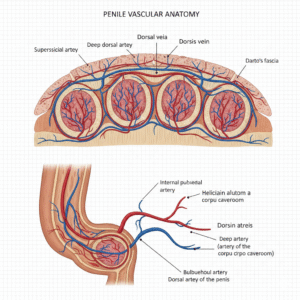
Second, enhancement should never come at the cost of function. Placement respects the neurovascular structures of the shaft, and where erectile difficulty is found, treatment optimisation is considered alongside — or before — any aesthetic procedure.
Expected outcomes where treatment is appropriate may include increased penile circumference, improved shaft contour, enhanced perceived firmness, natural-appearing volume, and minimal downtime. Longevity depends on filler characteristics, individual tissue biology, and lifestyle factors.

Is this for you?
Who Is a Candidate for Girth Enhancement?
This treatment is generally appropriate for adult men who have noticed a genuine reduction in shaft circumference, those seeking correction of contour irregularity following prior surgery or injury, and men whose concern is specifically volumetric rather than functional.
It is also suited to men who want a reversible, non-surgical option assessed properly before considering anything permanent.
When treatment may not be appropriate
A responsible assessment sometimes concludes that enhancement is not the right answer. That includes cases involving active infection or inflammation in the treatment area, untreated erectile dysfunction that should be addressed first, active Peyronie's disease requiring separate management, unrealistic expectations about achievable change, or where body dysmorphic concerns are identified — in which case psychological support is the appropriate referral, not a procedure.

Meet your doctor
Dr. Vasan Satya Srini
MBBS, DNB (General Surgery), DNB (Urology/Genito-Urinary Surgery) — Andrologist
With over 30 years of experience and more than 100,000 patients treated, Dr. Vasan is among the most recognised names in andrology and men's health in the region. He is CEO and Medical Director of Ankur Healthcare Pvt. Ltd., past President of the South Asian Society for Sexual Medicine (SASSM), and has published over 20 research papers internationally.
He established India's first dedicated Andrology & Men's Health Centre and has led international conferences including the World Meeting of Sexual Medicine.
30+Years in andrology
100,000+Patients treated
20+Research papers published
Why Lumora
Why Choose Lumora Wellness
Treatment planned from your anatomy and assessment findings, not a fixed package
Reversible options considered before anything permanent
Erectile function assessed as standard, never bypassed for a cosmetic result
Discreet, judgment-free consultations with full confidentiality
DHA License No. 86633812-002
Lumora Wellness operates under Dubai Health Authority licensing. All procedures are delivered under licensed medical supervision.
Pricing
How Much Does Penile Girth Treatment Cost in Dubai?
Cost depends on the approach selected, the volume of product required for your anatomy, and whether regenerative support is integrated. A single-session filler treatment sits at a different price point to a combination protocol with staged review.
Because the required volume is only established at assessment, an accurate figure cannot be quoted in advance. Book a consultation for a transparent, itemised quote — we will not recommend more than what is clinically appropriate for your case.

Related concerns
Not Quite What You're Looking For?
Girth is one of several distinct men's health concerns, each assessed and treated differently. If your concern sits elsewhere, these pages cover it properly.
Questions
Frequently Asked Questions
What is reduced penile girth?
Reduced penile girth is a loss of circumference or volume across the penile shaft, as distinct from concerns about length. It is most often caused by age-related collagen decline, extracellular matrix loss, scarring from prior surgery or injury, or metabolic and vascular conditions affecting tissue quality.
Are dermal fillers better than fat grafting for girth enhancement?
For most patients seeking even, predictable results, high-density cross-linked hyaluronic acid filler is preferred. It offers greater structural stability, better resistance to deformation, longer volume retention, and lower migration risk when correctly placed. It can also be dissolved if adjustment is needed.
Autologous fat grafting avoids immunologic risk because it uses your own tissue, but is associated with variable resorption, asymmetry risk, and less predictable long-term contour — which is why it is not routinely first-line where high-precision girth enhancement is the goal.
Is penile girth enhancement permanent?
Hyaluronic acid filler is not permanent. It gradually breaks down over time, with duration depending on the product used, the volume placed, and individual tissue biology. Periodic maintenance is typically required. For many men this impermanence is an advantage, since the result can be adjusted or reversed.
Does girth treatment affect erectile function?
When performed correctly, volumetric enhancement is placed within the subcutaneous or fascial plane while preserving the neurovascular structures and erectile bodies beneath. Baseline erectile function is assessed before treatment as standard — both to protect function and to ensure any underlying erectile difficulty is identified rather than masked by a cosmetic result.
Is the procedure painful, and what is the recovery like?
Procedures are minimally invasive and typically performed in an outpatient setting with local anaesthetic. Most men experience mild swelling or tenderness for a short period. Specific aftercare instructions, including guidance on when to resume activity, are given at your appointment based on the technique used.
Is regenerative or exosome therapy necessary for girth treatment?
No. It is adjunctive rather than essential. Regenerative and exosome-based approaches target tissue quality rather than adding volume directly, and may be integrated where tissue quality is a limiting factor. The evidence base in this area is still developing, and it is offered only under licensed supervision following informed consent.
How long do results last?
Longevity depends on the filler characteristics, individual tissue biology, and lifestyle factors including metabolic health. Ranges are discussed during consultation based on the specific product proposed for your case. No specific duration can be guaranteed.
What are the risks of penile girth enhancement?
As with any injectable procedure, risks include swelling, bruising, infection, nodule formation, contour irregularity, and product migration where placement is incorrect. These are discussed in full before consent. Unregulated silicone, mineral oil, or paraffin injections carry substantially higher risk of granuloma, chronic infection, and disfigurement, and are not used at Lumora Wellness.
Do you treat international or visiting patients?
Yes. Consultations and treatment scheduling are coordinated for patients travelling to Dubai for care, including follow-up planning before departure.
Is the consultation confidential?
Yes. Men's genital and sexual health concerns are handled with full discretion and confidentiality at every stage, from first enquiry onward.
Get a Clear Assessment Before You Decide Anything
You don't need to have made up your mind before booking — that's what the consultation is for. Speak confidentially with our team and get an honest assessment of what's achievable in your case, and what isn't.
