

- Genital Growth Concerns
- Health Longevity Check
- Male Genital Cosmetology
- Male Sexual Problems
- Prevention Health Check
- Premature Ejaculation Treatment in Dubai
- Erectile Dysfunction Treatment in Dubai
- Azoospermia (Zero Sperm Count) Treatment in Dubai
- Peyronie’s Disease Treatment in Dubai
- Reduced Penile Girth Treatment in Dubai

Reduced Penile Girth Treatment in Dubai
High-Density Filler Technology with Regenerative & Exosome Integration (DHA-Compliant)
This document provides a scientifically structured and regulatory-conscious overview of penile girth enhancement using advanced volumetric fillers integrated with regenerative cellular and exosome-based support. All procedures are performed under licensed medical supervision. Outcomes vary between individuals and no guarantees are provided.
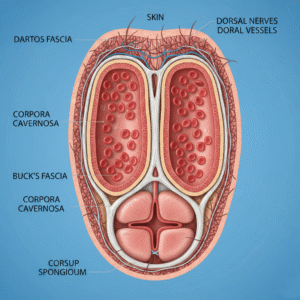
Penile Anatomy & Plaque Formation (Illustration Section)
Cross-section of penile shaft (skin, dartos fascia, Buck’s fascia)
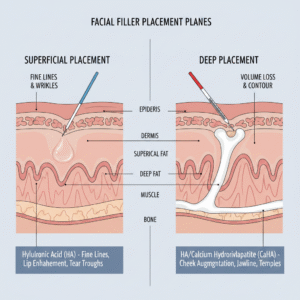
Superficial vs deep filler placement plane diagram
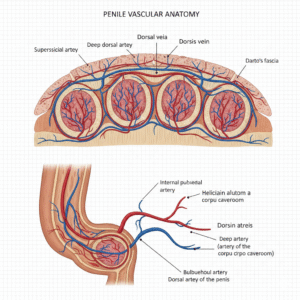
Vascular anatomy of penile shaft
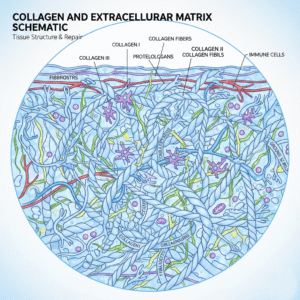
Collagen and extracellular matrix schematic
Penile girth enhancement involves augmentation within the appropriate subcutaneous or fascial planes while preserving neurovascular integrity and erectile function
Understanding Reduced Penile Girth
Reduced penile girth may be associated with:
- Age-related collagen decline
- Loss of extracellular matrix density
- Prior procedures
- Metabolic or vascular influences
- Connective tissue thinning
Effective enhancement requires both volumetric support and tissue quality optimization.
Advanced High-Density Filler Technology
For durable and structurally stable girth enhancement, higher-density, highly cross-linked hyaluronic acid (HA) fillers or equivalent long-lasting volumetric matrices are generally preferred.
Rationale:
- Greater structural integrity
- Improved resistance to deformation
- Longer duration of volume maintenance
- Reduced migration risk when properly placed
Routine low cross-linked HA fillers may provide temporary swelling but often lack sufficient cohesivity and longevity for penile shaft application.
Autologous fat grafting is associated with variable resorption rates, asymmetry risk, and inconsistent long-term contour stability. For this reason, fat transfer is not routinely favored in high-precision penile girth procedures.
Regenerative Cellular Integration (Connective-Tissue Derived Cells)
Advanced connective-tissue–origin regenerative cellular preparations may be integrated to support tissue quality and volumetric stability.
Proposed biological support mechanisms include:
- Enhancement of extracellular matrix signaling
- Support of collagen balance
- Modulation of inflammatory microenvironment
- Improved integration of volumetric filler within native tissue
Autologous sourcing reduces immunologic risk.
Exosome-Based Support (Localized ± Intravenous)
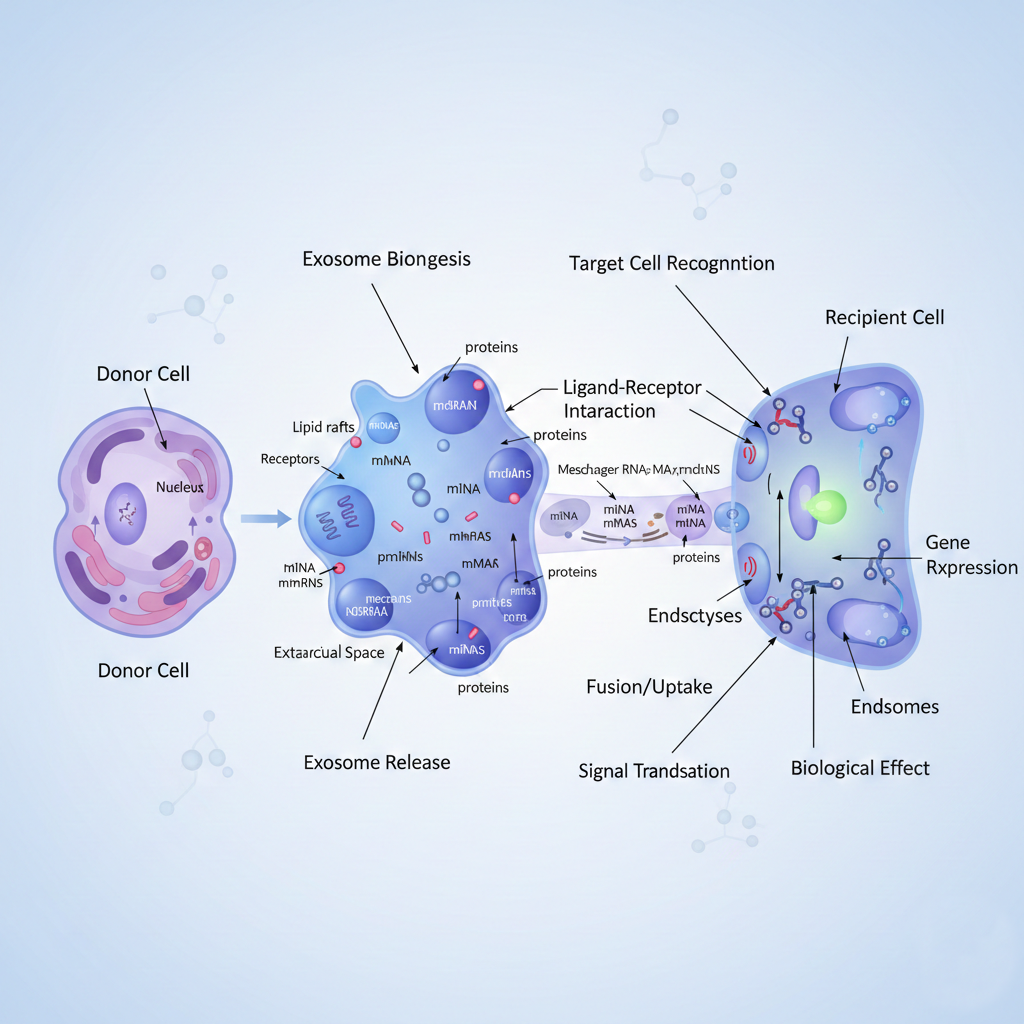
Exosome signaling pathway illustration
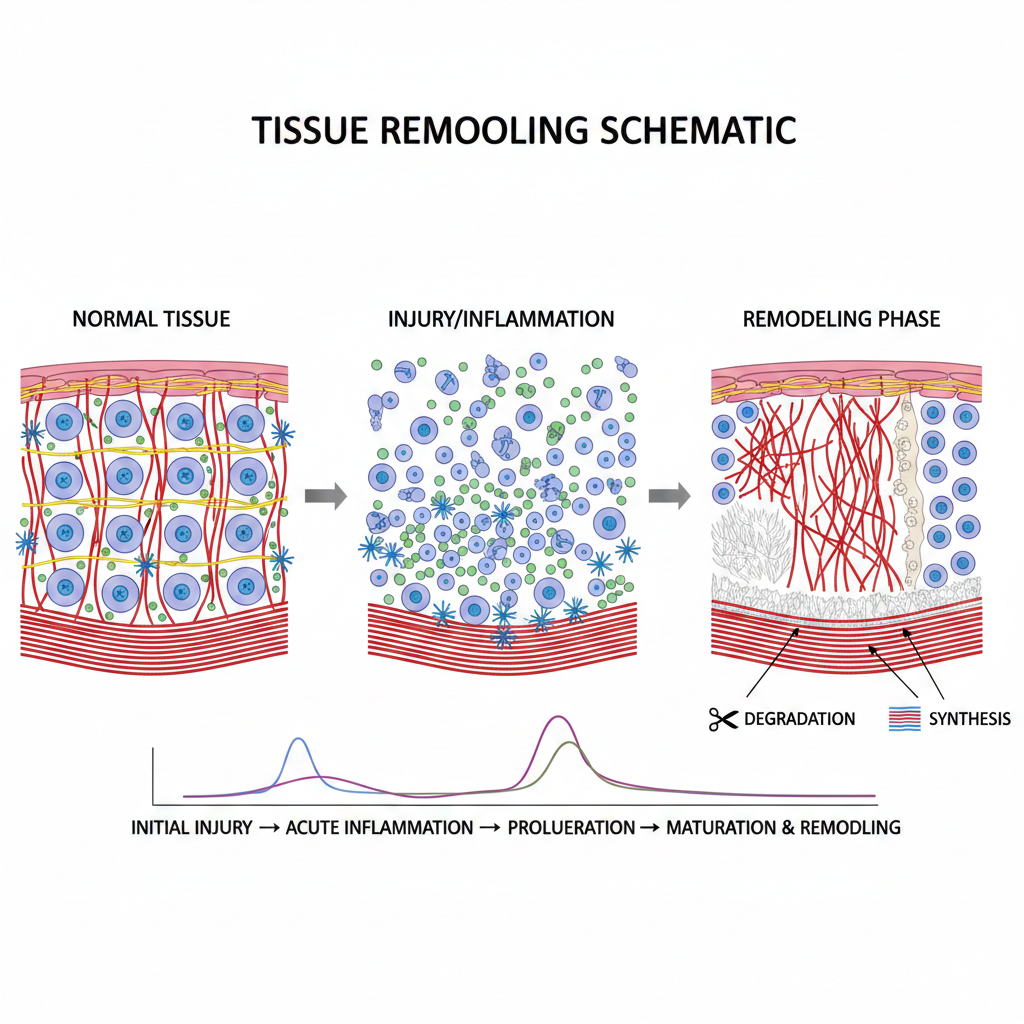
Tissue remodeling schematic
Exosomes are extracellular vesicles involved in intercellular communication. In penile enhancement protocols, localized exosome application may support:
- Tissue remodeling
- Reduced inflammatory response
- Enhanced vascular microenvironment
- Improved filler integration
In selected patients with systemic inflammatory or metabolic factors, intravenous exosome therapy may be considered to support broader endothelial and tissue health.
Integrated Volumetric & Regenerative Strategy
A comprehensive protocol may include:
- High-density, highly cross-linked volumetric filler placement
- Local regenerative cellular support
- Localized exosome therapy
- Optional systemic exosome therapy in selected cases
Treatment design is individualized based on anatomy, tissue quality, and patient goals.
Treatment Process
- Detailed anatomical assessment
- Selection of appropriate filler density and volume
- Precise placement within safe anatomical planes
- Integration of regenerative support where indicated
- Post-procedure monitoring and contour assessment
Procedures are minimally invasive and typically performed in an outpatient setting.

Erectile Function Assessment
Baseline erectile function must be evaluated prior to enhancement. In men with coexisting erectile dysfunction, vascular optimization or regenerative support may be considered to ensure functional integrity alongside aesthetic goals.
Expected Outcomes
Some patients may experience:
- Increased penile circumference
- Improved shaft contour
- Enhanced perceived firmness
- Natural-appearing volume
- Minimal downtime
Longevity depends on filler characteristics, tissue biology, and lifestyle factors. No outcome can be guaranteed.
Frequently Asked Questions
1. Are thicker fillers better for girth enhancement?
Higher-density, highly cross-linked fillers generally provide improved structural support and longevity compared to low cross-linked formulations.
2.Is fat grafting recommended?
Fat grafting may result in unpredictable resorption and contour irregularities; therefore, it is not routinely preferred.
3.Can regenerative therapy improve filler longevity?
Regenerative cellular and exosome-based support may enhance tissue integration and quality.
4.Is intravenous exosome therapy necessary?
IV therapy is considered selectively, particularly in patients with systemic inflammatory or metabolic concerns.
5.Is erectile function affected?
When performed properly within correct anatomical planes, erectile function is preserved. Assessment is performed prior to treatment.
6.How long do results last?
Longevity depends on the filler used and individual tissue response. High-density fillers are designed for extended duration.

Self-Assessment Questionnaire for Premature Ejaculation
Instructions: This self-assessment is intended for personal screening purposes only and does not replace a medical consultation. Answer each question honestly based on your experience over the past 6 months.
This questionnaire is a screening tool only and is not diagnostic. Information provided here is for educational purposes.