


- Small Penis Treatment Dubai
- Longevity Health Check Dubai
- Male Genital Cosmetology Dubai
- Male Sexual Problems Treatment Dubai
- Prevention Health Check Dubai
- Premature Ejaculation Treatment in Dubai
- Erectile Dysfunction Treatment in Dubai
- Azoospermia (Zero Sperm Count) Treatment in Dubai
- Peyronie’s Disease Treatment in Dubai
- Reduced Penile Girth Treatment in Dubai







Men's Health · Dubai
Erectile Dysfunction Treatment in Dubai
If you're having trouble getting or keeping an erection firm enough for sex, you're not alone — and it's not something you have to just live with. Erectile dysfunction (ED) is one of the most common men's health concerns worldwide, and in most cases, it's very treatable once the underlying cause is identified.
At Lumora Wellness in Dubai, our approach starts with a proper diagnosis — not a guess. Depending on what's causing your ED, treatment may range from lifestyle changes and medication to advanced regenerative therapies such as exosome and PRP treatment, delivered under the care of Dr. Vasan Satya Srini, a UroAndrologist with 37 years of clinical experience.
37Years of andrology experience
DHALicensed clinical supervision
PrivateConfidential consultations
The basics
What Is Erectile Dysfunction?
Erectile dysfunction is the persistent inability to achieve or maintain an erection firm enough for satisfactory sexual activity. Occasional difficulty is normal and not a cause for concern — but if it's happening regularly, it's worth having it looked at, because ED is often your body's way of flagging an underlying health issue before it becomes something bigger.
Common signs of ED include:
- Difficulty getting an erection, even when you want to
- Trouble keeping an erection long enough for intercourse
- Reduced sexual desire alongside erection difficulties
- Erections that are less firm than they used to be
Understanding the cause
What Causes Erectile Dysfunction?
ED is rarely caused by just one thing. In most men, it's a combination of physical and psychological factors:
Vascular causes
The most common driver. Anything that restricts blood flow to the penis — hardened arteries, high blood pressure, high cholesterol — can make it harder to get or sustain an erection.
Diabetes
Around 35–50% of men with diabetes experience some degree of ED, due to its effect on blood vessels and nerves.
Hormonal factors
Low testosterone, thyroid imbalances, or elevated prolactin levels can all affect erectile function.
Neurological causes
Nerve damage from pelvic surgery, spinal injury, or conditions like multiple sclerosis can interrupt the signals needed for an erection.
Psychological factors
Stress, anxiety (including performance anxiety), depression, and relationship difficulties are common contributors — and often make physical causes worse.
Lifestyle factors
Smoking, excessive alcohol, obesity, poor sleep, and a sedentary lifestyle are all strongly linked to ED.
Medications
Certain blood pressure medications, antidepressants, and other prescription drugs can list ED as a side effect.
Why diagnosis comes first
Because these causes overlap, treating the symptom without identifying the driver rarely holds. That's why every plan here starts with an assessment.
Step one
How Is Erectile Dysfunction Diagnosed?
Getting the diagnosis right is what makes treatment actually work. At Lumora Wellness, your evaluation typically includes:
01
A detailed medical and sexual health history
02
Physical examination
03
Blood tests to check hormone levels, blood sugar, and cardiovascular risk factors
04
Erectile function assessment using validated screening tools
05
Where needed, vascular assessment to check blood flow to the penis
This isn't a one-size-fits-all process — the goal is to understand why this is happening to you specifically, so treatment is targeted rather than trial-and-error.
Assessment also screens for premature ejaculation, which frequently occurs alongside ED and changes the treatment sequence.
Your options
Treatment Options for Erectile Dysfunction
Depending on what's driving your ED, treatment may include five broad approaches — from addressing the root cause through to advanced regenerative therapy. Your plan is built from your diagnosis, not from a fixed protocol.
01
Lifestyle & Medical Management
For many men, the first step is addressing the root cause — better management of diabetes or blood pressure, weight loss, quitting smoking, and improving sleep can meaningfully improve erectile function on their own.
02
Oral Medication
PDE5 inhibitors (such as sildenafil or tadalafil) are the most commonly used first-line treatment and work by improving blood flow to the penis.
03
Our specialization
Regenerative & Exosome-Based Therapy
Lumora Wellness offers advanced regenerative approaches under DHA-compliant clinical supervision, targeting the underlying tissue and vascular health of the penis rather than only managing symptoms:
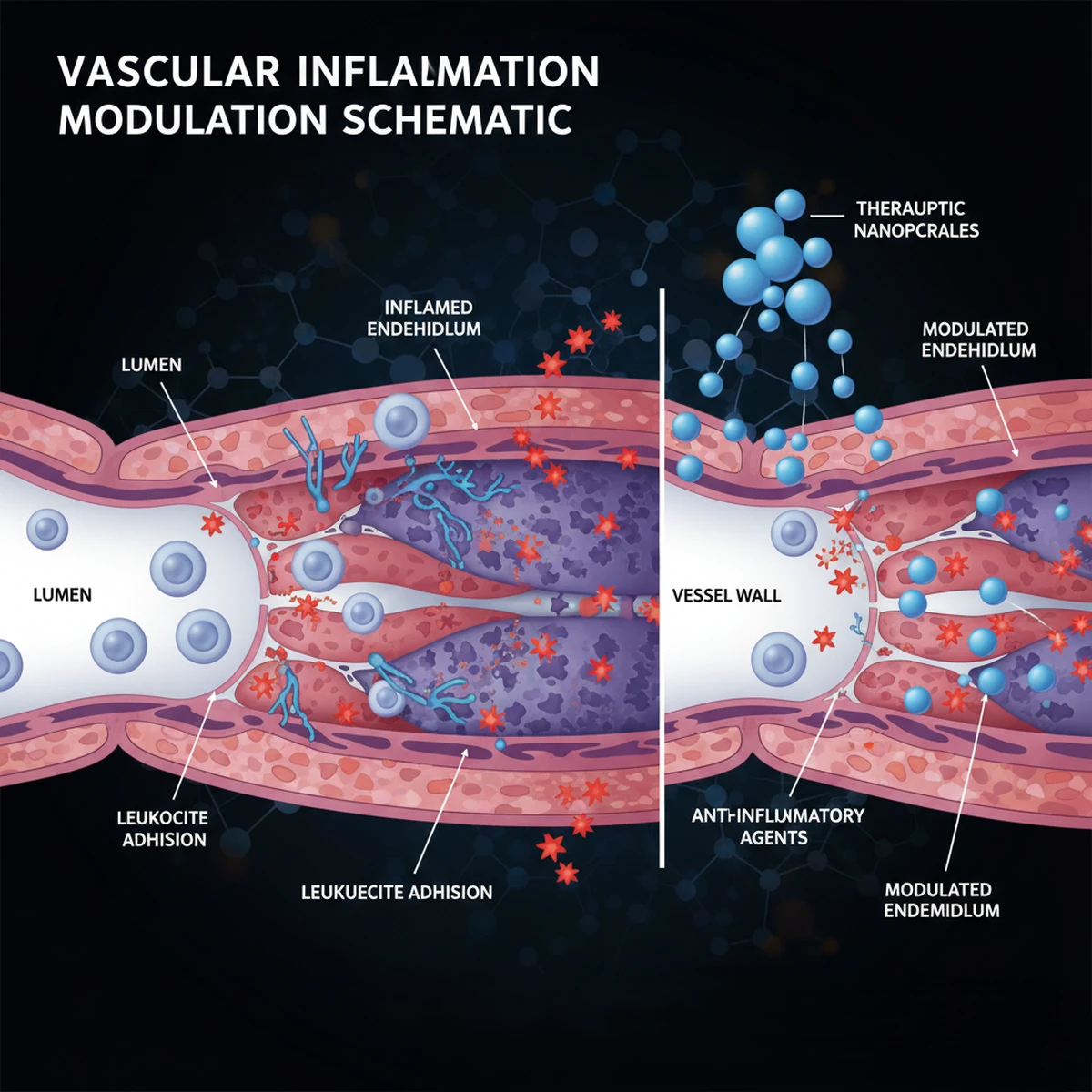
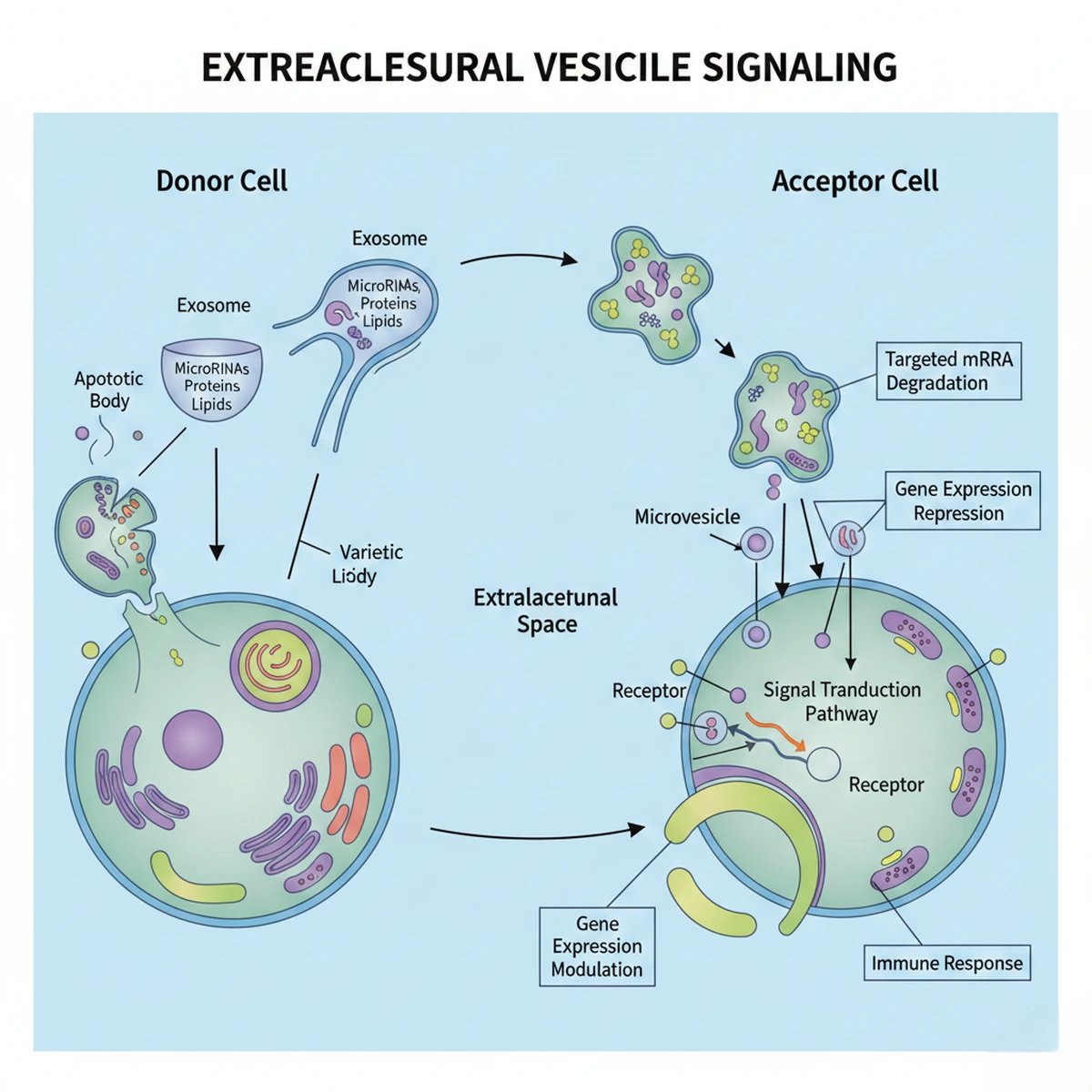
- Exosome therapy — extracellular vesicles that support cell signaling, may help reduce inflammation, and support the tissue's natural repair processes
- PRP (Platelet-Rich Plasma) therapy — uses your own blood's growth factors to support tissue regeneration
- Low-Intensity Shockwave Therapy (LISWT) — a non-invasive treatment that stimulates blood vessel growth and improves blood flow to the penis
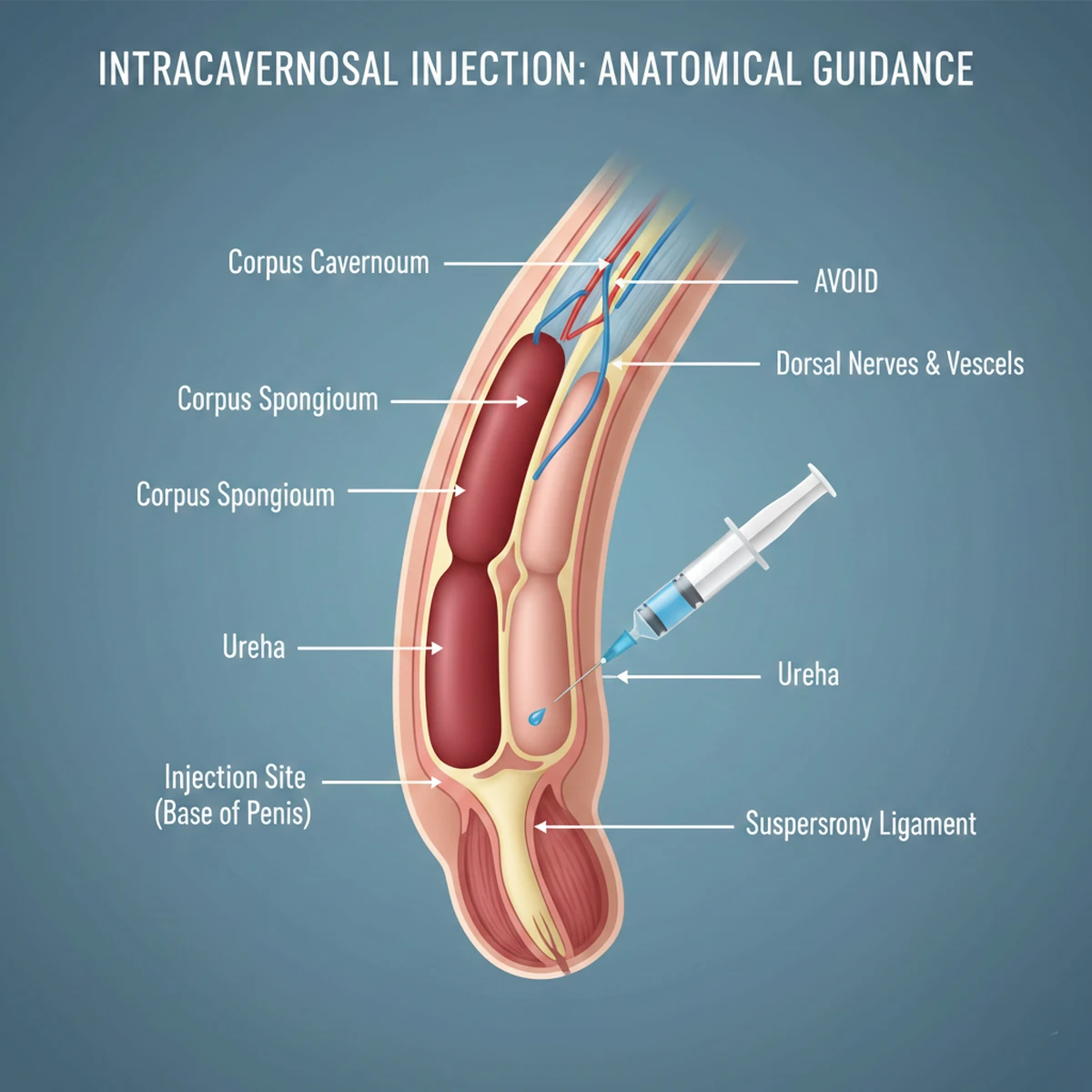
- Intracavernosal & intravenous regenerative therapy — localized or systemic delivery depending on your specific case
04
Injection Therapy
For select patients, injectable medication directly into the penis can produce a reliable erection, and is often used when oral medication isn't effective.
05
Vacuum Erection Devices & Surgical Options
In more advanced or treatment-resistant cases, vacuum devices or surgical options such as penile implants may be discussed as part of a broader treatment plan.
Regenerative injectable therapies for erectile dysfunction are not currently approved by DHA, FDA or EMA as standard treatments, and low-intensity shockwave therapy is classified as investigational by major urology guidelines. These are delivered under licensed medical supervision within documented, consent-based protocols, and combination approaches may be used where clinically appropriate. Individual results vary and no specific outcome can be guaranteed.

Meet your doctor
Dr. Vasan Satya Srini
MBBS, DNB (General Surgery), DNB (Urology/Genito-Urinary Surgery) — UroAndrologist & Surgical Andrologist · DHA Specialist Licence
Dr. Vasan has 37 years of clinical experience in andrology and men's health, and has been involved in the care of more than 100,000 patients. He is the founder of Lumora Wellness and CEO and Medical Director of Ankur Healthcare Pvt. Ltd.
Read Dr. Vasan's full profile, qualifications and publications →
37Years in andrology
100,000+Patients treated
20+Research papers published
Why Lumora
Why Choose Lumora Wellness
Treatment plans built around your specific diagnosis, not a fixed protocol
Access to advanced regenerative and exosome-based therapies
Care led by Dr. Vasan Satya Srini, UroAndrologist with 37 years of clinical experience
DHA-compliant treatment delivered under licensed medical supervision
Discreet, judgment-free consultations
DHA License No. 86633812-002
Lumora Wellness operates under Dubai Health Authority licensing. All treatments are delivered under licensed medical supervision.
Pricing
How Much Does ED Treatment Cost in Dubai?
The cost of ED treatment varies significantly depending on the underlying cause, the treatment approach recommended, and the number of sessions required. Oral medication and lifestyle management are the most affordable starting point, while regenerative therapies such as exosome or PRP treatment are priced based on your individualized protocol.
Book a consultation for an accurate, personalized quote — we'll never recommend more than what's clinically appropriate for your case.
Questions
Frequently Asked Questions
Is erectile dysfunction a sign of a more serious health problem?
It can be. Because ED and heart disease share the same underlying issue — impaired blood flow — ED is sometimes an early warning sign of cardiovascular problems. This is one of the main reasons a proper diagnosis matters, not just symptom treatment.
At what age does ED usually start?
ED becomes more common with age, but it isn't an inevitable part of aging and can affect men in their 20s and 30s too, particularly when linked to lifestyle, stress, or underlying health conditions.
Are regenerative and exosome therapies safe?
When administered under licensed medical supervision with proper patient selection, these therapies are generally well tolerated. It is important to know that regenerative injectable therapies are not currently approved by DHA, FDA or EMA as standard treatments for ED. Your specific risks, the current evidence position, and your suitability are discussed in detail during consultation before any decision is made.
How is exosome therapy different from PRP?
Both are regenerative approaches that use the body's own biological signaling to support tissue repair. PRP uses growth factors from your own blood, while exosome therapy uses extracellular vesicles studied for their role in cell communication and tissue support. In some cases, the two are combined.
How soon will I see results?
This depends on the treatment. Oral medication can work within an hour. Regenerative therapies like exosome or PRP treatment are gradual, with improvement typically observed over several weeks to months. Individual results vary and no outcome can be guaranteed.
Can erectile dysfunction be treated without medication?
In some cases, yes — particularly when ED is linked to lifestyle factors or psychological causes. A proper diagnosis will tell you whether lifestyle changes alone are likely to help, or whether medical treatment is needed alongside them.
Do you treat international or visiting patients?
Yes. We coordinate consultations and treatment scheduling for patients visiting Dubai specifically for care.
Is the consultation confidential?
Yes. Men's sexual health is treated with full discretion and confidentiality at every stage, from your first consultation onward.
Ready to Talk to Someone About This?
You don't need to have all the answers before booking — that's what the consultation is for. Speak confidentially with our team and get a clear, honest assessment of what's going on and what your options are.
