


- Small Penis Treatment Dubai
- Longevity Health Check Dubai
- Male Genital Cosmetology Dubai
- Male Sexual Problems Treatment Dubai
- Prevention Health Check Dubai
- Premature Ejaculation Treatment in Dubai
- Erectile Dysfunction Treatment in Dubai
- Azoospermia (Zero Sperm Count) Treatment in Dubai
- Peyronie’s Disease Treatment in Dubai
- Reduced Penile Girth Treatment in Dubai





Men's Sexual Health · Dubai
Premature Ejaculation Treatment in Dubai
Premature ejaculation (PE) is one of the most common sexual health concerns in men — affecting around 30–40% of men between 18 and 59 — yet it's rarely talked about openly. If you're ejaculating sooner than you or your partner would like on a regular basis, it's a real, treatable medical condition, not a personal failing.
At Lumora Wellness in Dubai, we start with understanding exactly what's driving your PE, then build a treatment plan around it — from simple behavioral techniques through to advanced regenerative and neuromodulation therapies, delivered under the care of Dr. Vasan Satya Srini, one of the region's most experienced andrologists.
30–40%Of men aged 18–59 affected
DHACompliant, licensed supervision
100%Confidential consultations
The basics
What Is Premature Ejaculation?
Premature ejaculation is generally defined as ejaculation occurring within about one minute of penetration — sometimes even before penetration — along with a felt inability to delay it, and distress or frustration as a result for one or both partners.
Average intercourse 4–8 min ~1 min Generally defines PE
It isn't about hitting a number — it's about control and distress
On average, intercourse lasts around 4–8 minutes before ejaculation. But timing alone doesn't make a diagnosis: what matters clinically is whether you feel unable to delay it, and whether it's causing distress or frustration for you or your partner.
Lifelong / Primary
Present from the start
Present from a man's very first sexual experiences and occurs consistently.
Acquired / Secondary
Developed later
Develops later in life after a period of normal ejaculatory control — often linked to a new physical or psychological trigger.
Understanding the cause
What Causes Premature Ejaculation?
PE is rarely down to a single cause. It's usually a combination of physical, neurological, and psychological factors.
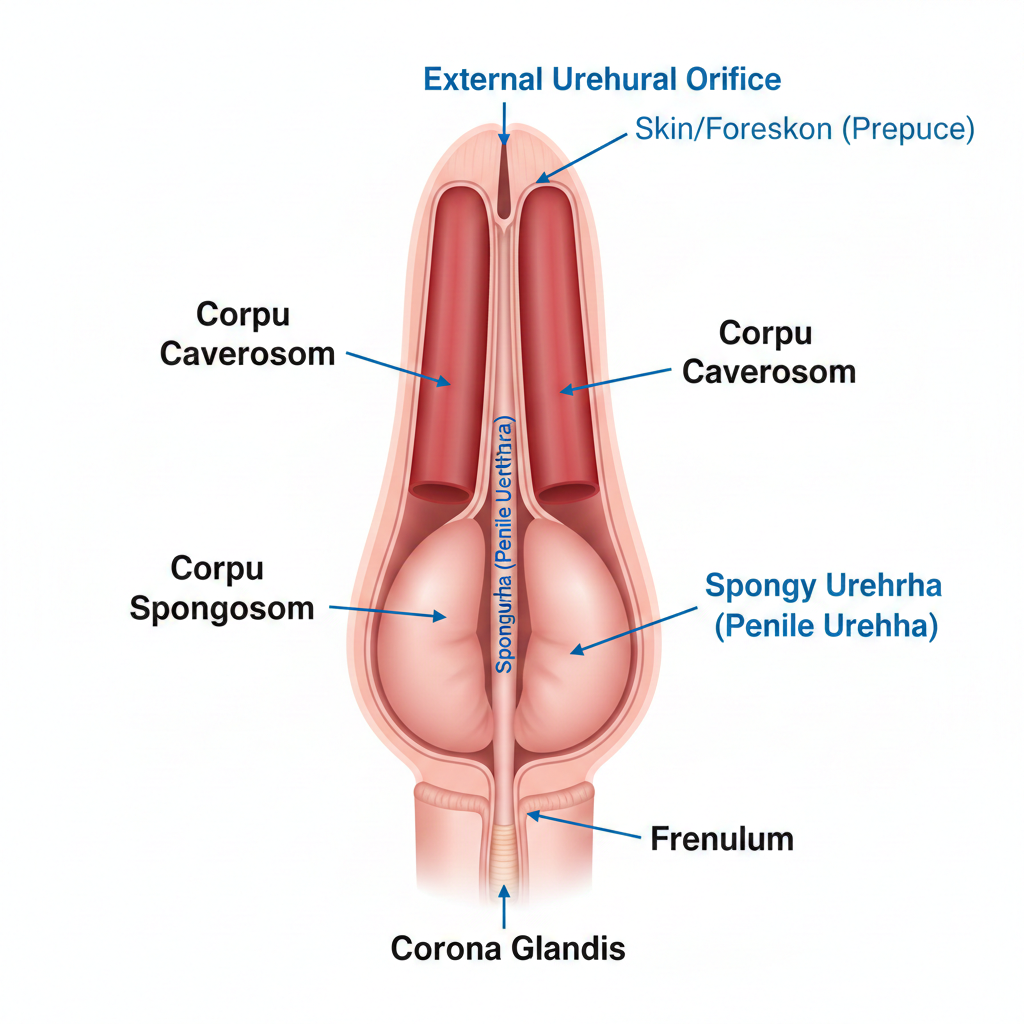
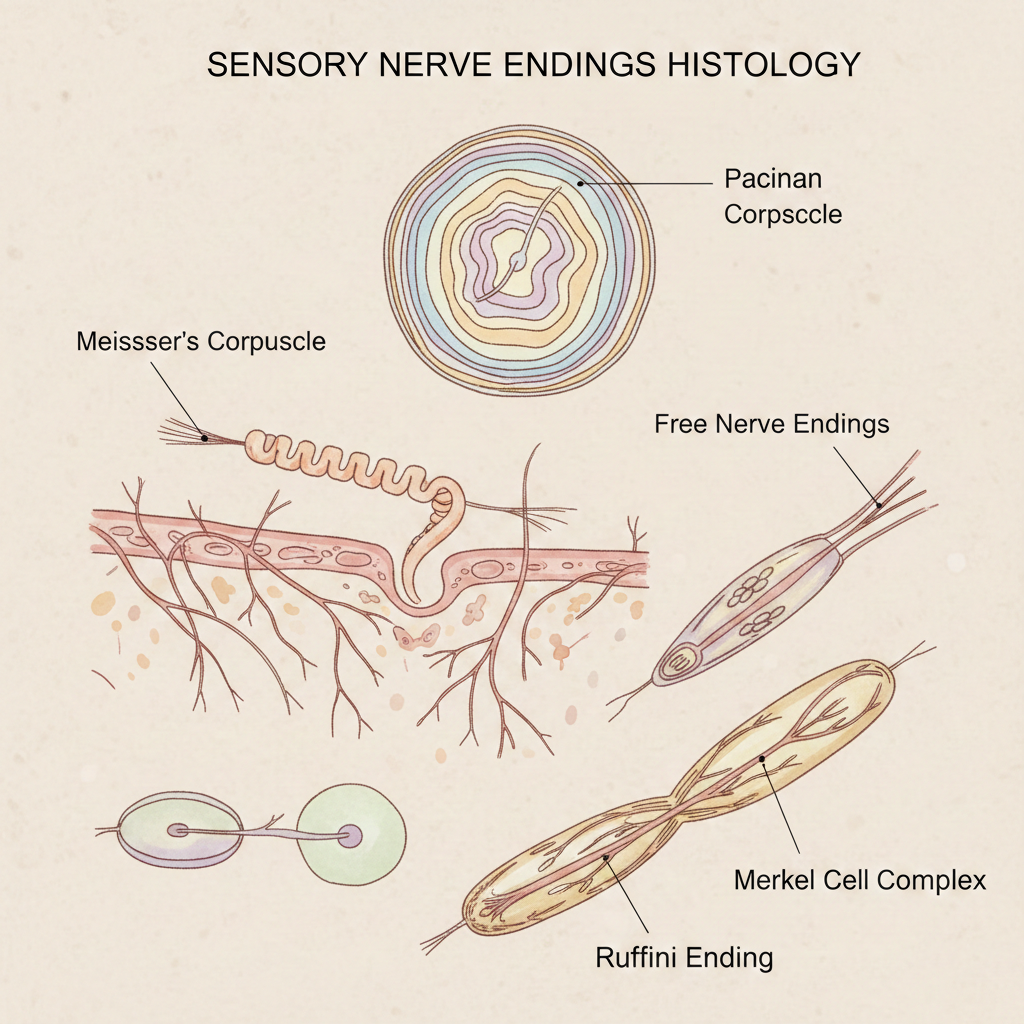
Heightened penile sensitivity
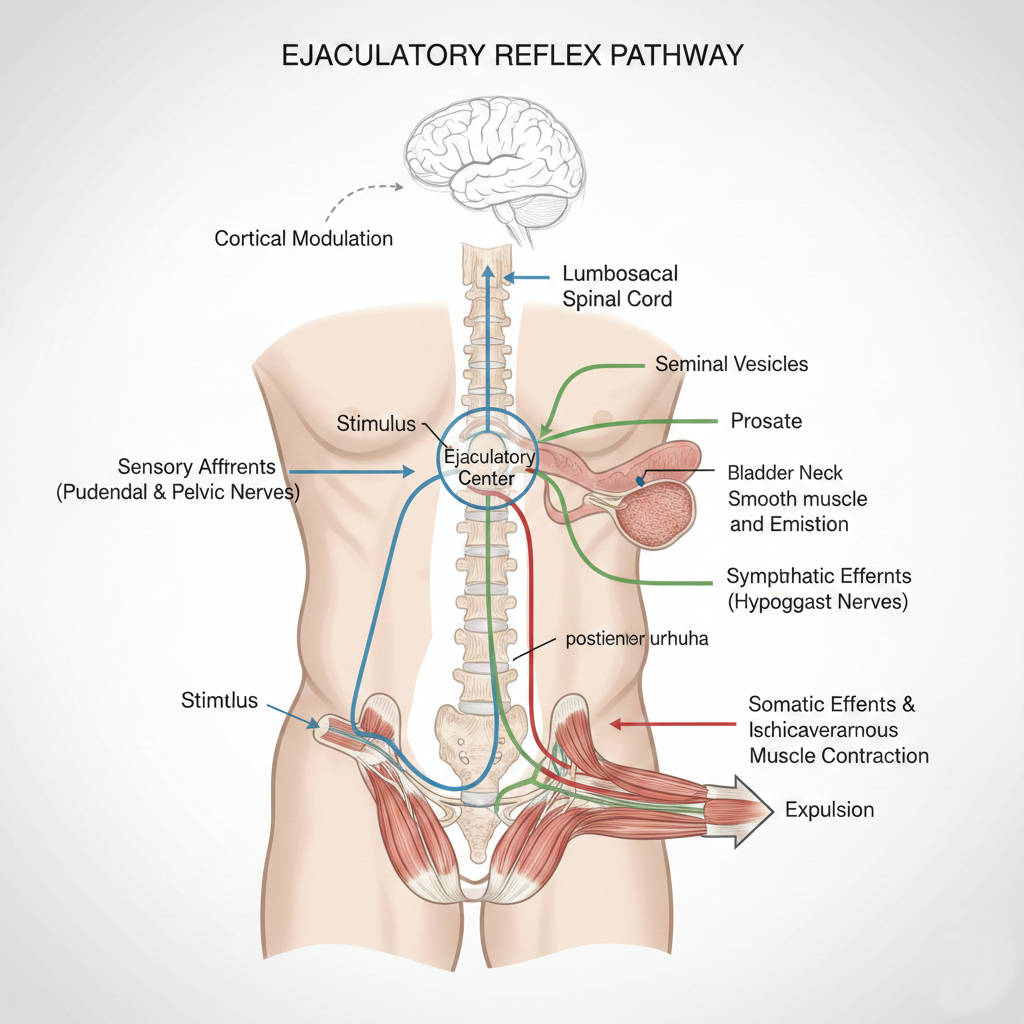
A denser concentration of sensory nerve endings in the glans can lower the threshold for the ejaculatory reflex to trigger.
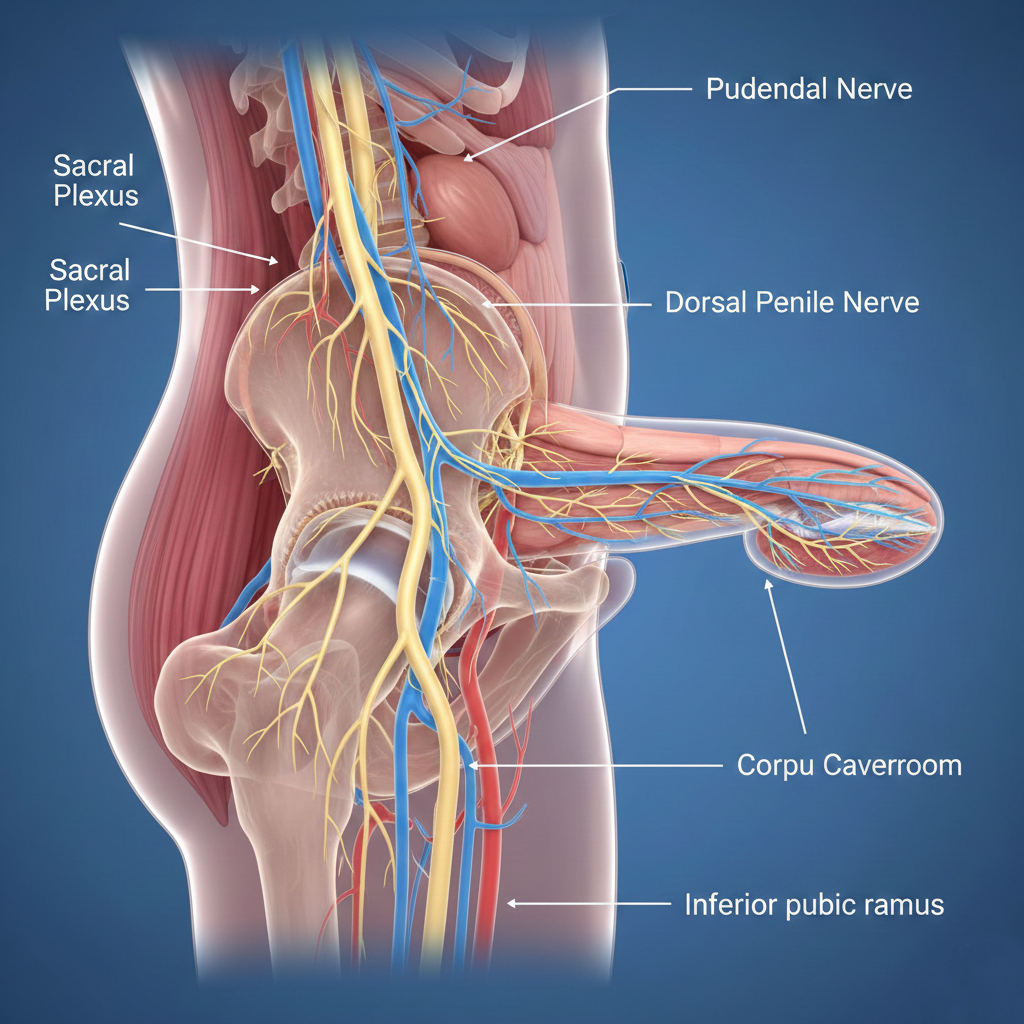
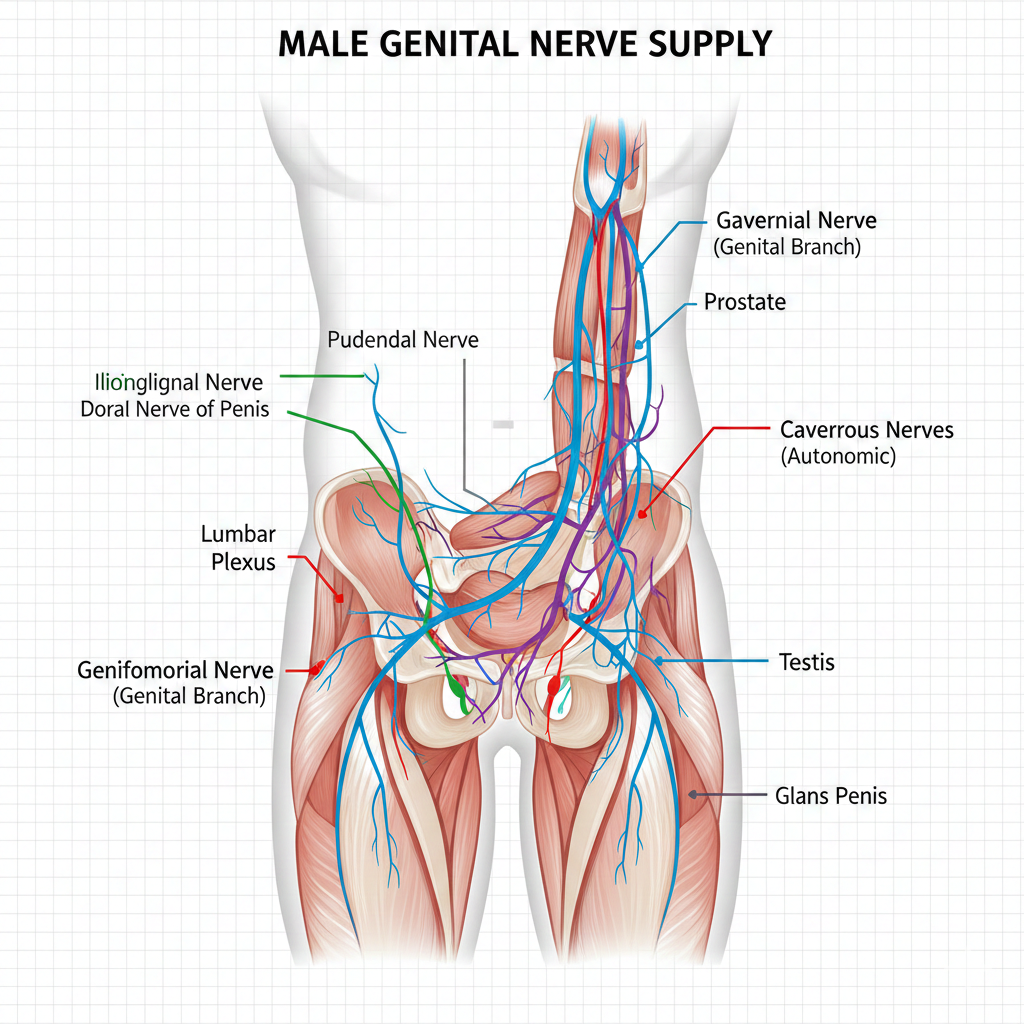
Overactive ejaculatory reflex
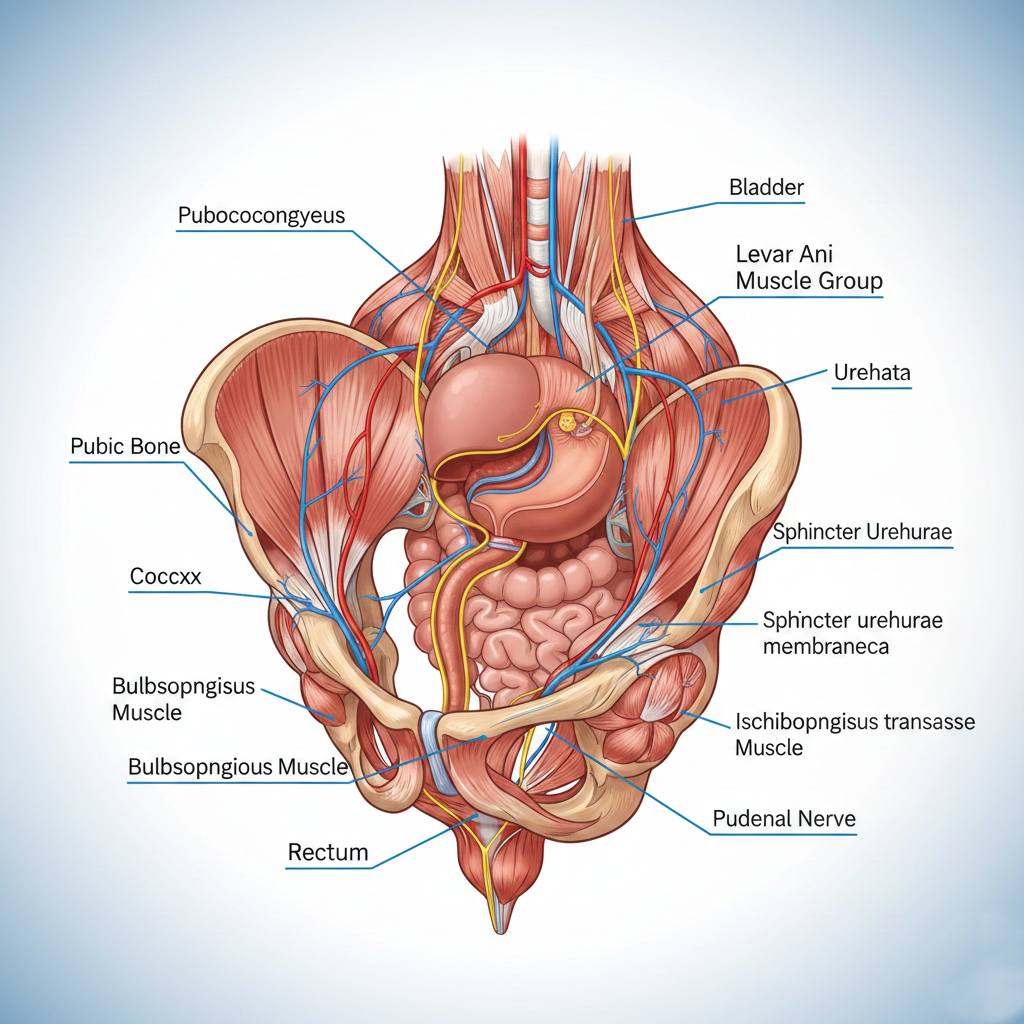
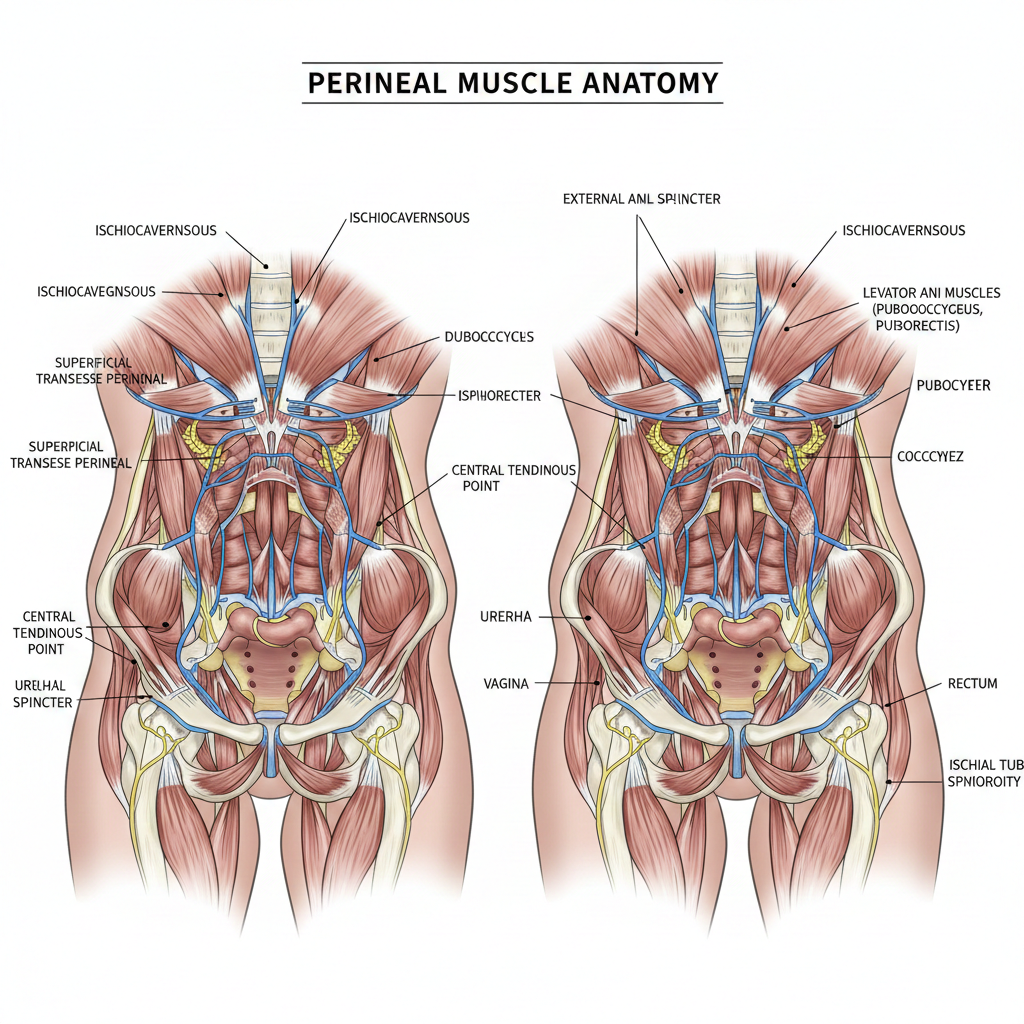
Increased excitability in the nerve and muscle pathways involved in ejaculation (including the pelvic floor's bulbospongiosus muscle) can reduce voluntary control.
Hormonal or chemical factors
Imbalances in serotonin, dopamine, or testosterone are linked to reduced ejaculatory control.
Underlying medical conditions
Prostate inflammation, thyroid disorders, erectile dysfunction, or nerve damage from prior surgery can all contribute.
Psychological factors
Performance anxiety, stress, guilt, relationship difficulties, and depression are all strongly linked to PE — and often coexist with the physical causes above.
Behavioral factors
Early sexual experiences that involved rushing (e.g. out of fear of being caught), or long gaps between sexual activity, can also play a role.
Step one
How Is Premature Ejaculation Diagnosed?
Getting to the right treatment starts with understanding your specific case. Your evaluation at Lumora Wellness typically includes:
01
A detailed sexual health and medical history
02
Assessment of ejaculatory latency and whether the pattern is lifelong or acquired
03
Evaluation of erectile function, since PE and ED frequently occur together
04
Hormonal and metabolic screening where indicated
05
Pelvic neuromuscular assessment where relevant
Your options
Treatment Options for Premature Ejaculation
Depending on what's driving your PE, treatment may combine several of five broad approaches — starting with the least invasive that's likely to work for your specific case.
01
Behavioral Techniques
Methods like the start-stop technique and the squeeze technique help build awareness of arousal levels and improve ejaculatory control over time, often used as a first step or alongside other treatments.
02
Counseling & Psychological Support
Where performance anxiety, stress, or relationship factors are contributing, counseling can meaningfully improve control and confidence — often in combination with medical treatment rather than instead of it.
03
Oral Medication & Topical Treatments
SSRIs are commonly used off-label to help delay ejaculation, and topical anesthetic creams or sprays can reduce penile sensitivity. These are typically considered when a fast, reliable option is needed.
04
Pelvic Floor Therapy
Strengthening and gaining better control of the pelvic floor muscles — including the bulbospongiosus muscle involved in ejaculation — can improve control for some men.
05
Our specialization
Targeted Neuromodulation & Regenerative Therapy
This is where Lumora Wellness offers something most clinics in Dubai don't. For carefully selected patients, following a full clinical evaluation, we offer:
- Botulinum-based neuromodulation — used to help calm excessive neuromuscular activity in the muscles involved in ejaculation; suitability is determined case-by-case, and effects may be temporary
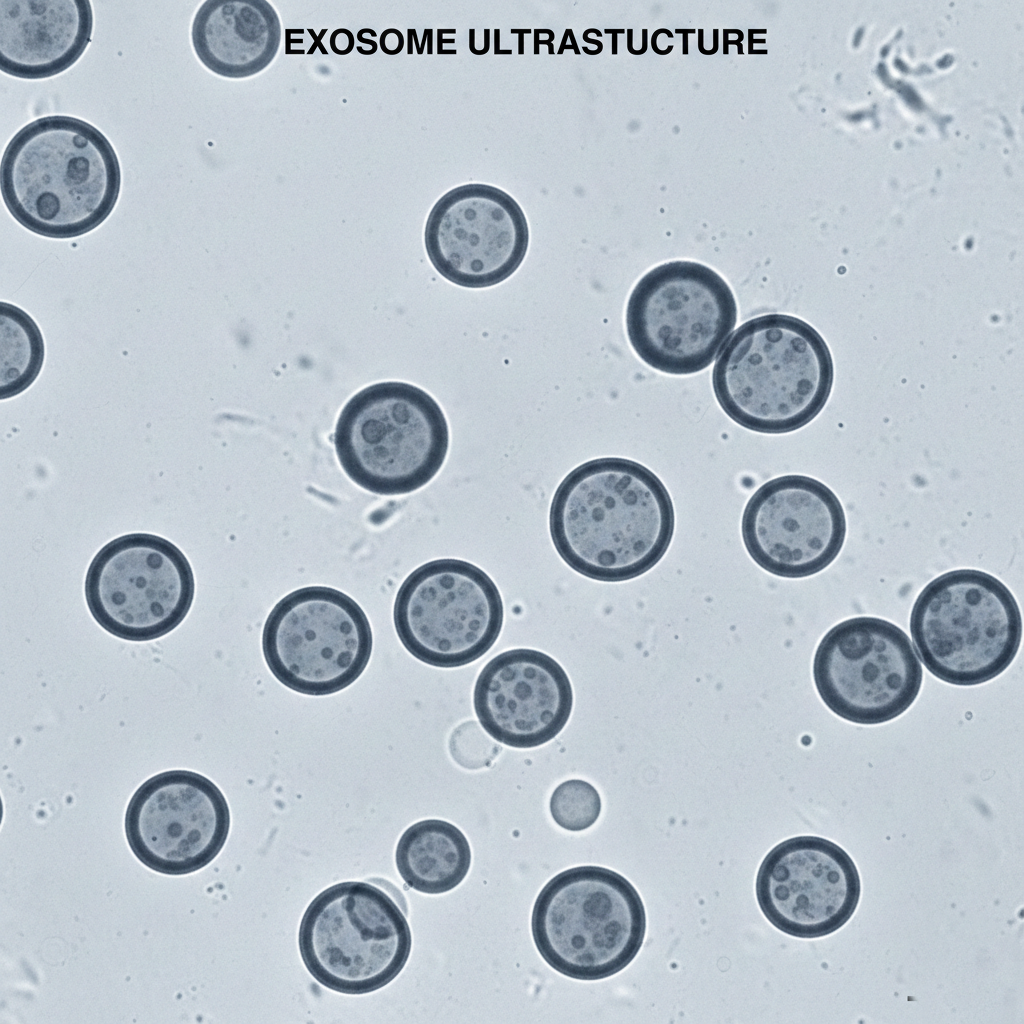
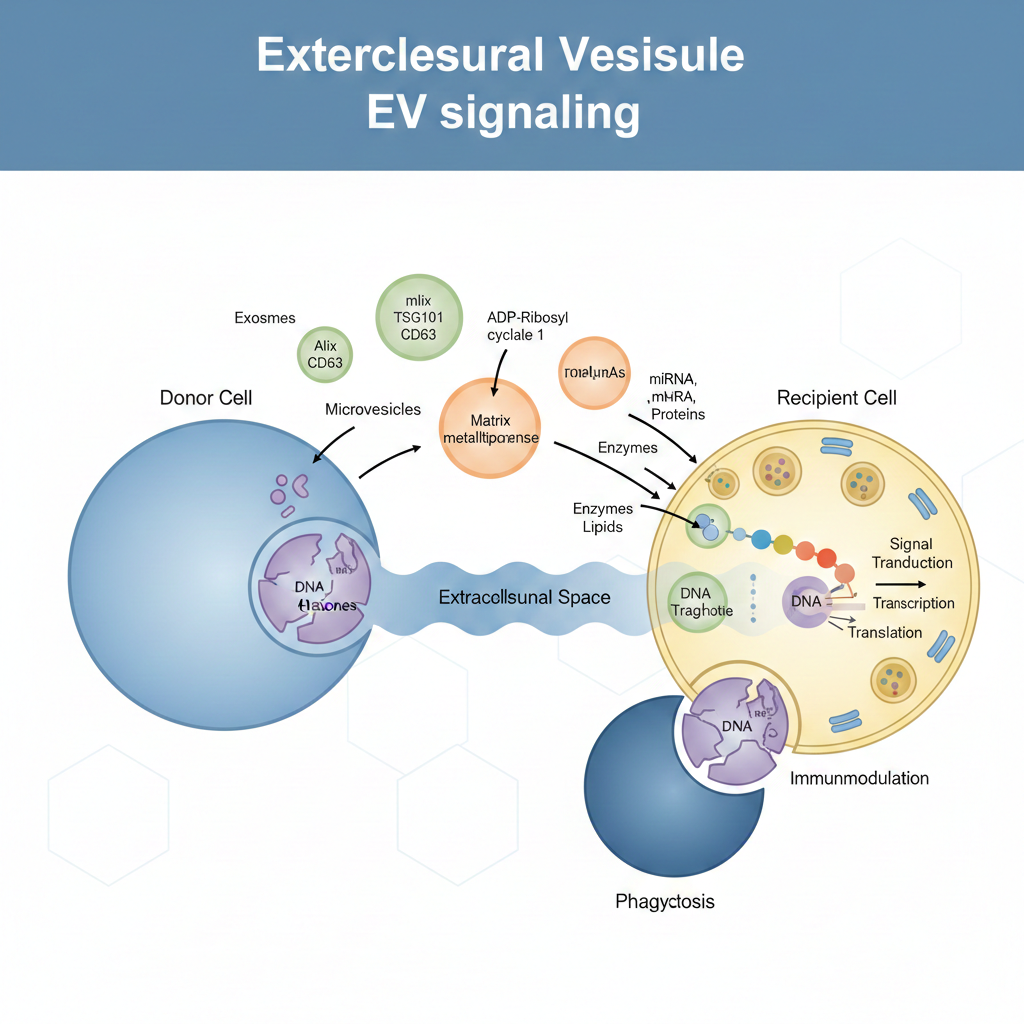
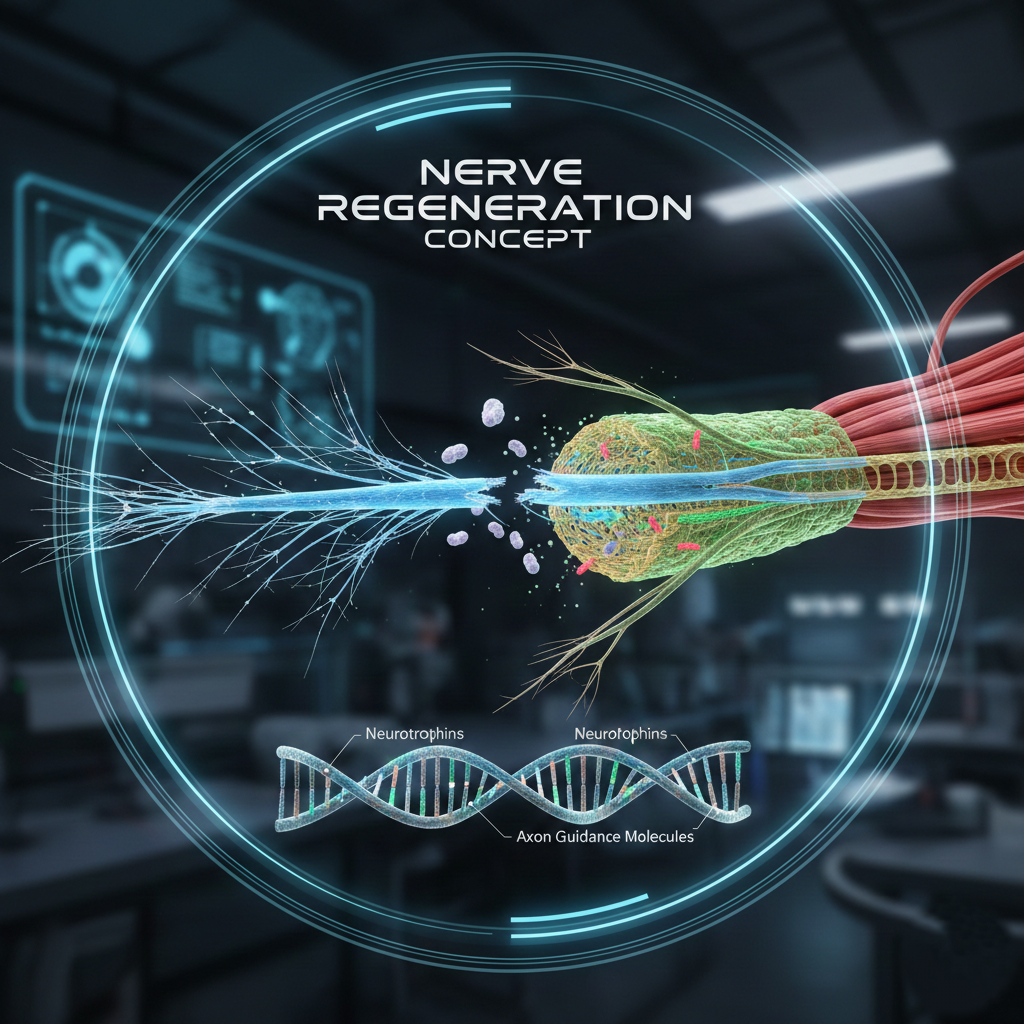
- Exosome-based regenerative therapy — extracellular vesicles studied for their role in modulating inflammation, supporting nerve signaling balance, and influencing nerve repair mechanisms
Both are administered under licensed medical supervision following informed consent. As with any medical treatment, individual results vary and no outcome can be guaranteed.
A note on destructive procedures
Why we don't lead with permanent nerve destruction
Surgical nerve resection and cryotherapy aim to reduce sensation through permanent tissue destruction, and can carry risks including numbness, neuropathic discomfort, and irreversible changes.
Where appropriate alternatives exist, we favor neuromodulation and regenerative approaches over permanent nerve damage.

Meet your doctor
Dr. Vasan Satya Srini
MBBS, DNB (General Surgery), DNB (Urology/Genito-Urinary Surgery) — Andrologist
With over 30 years of experience and 100,000+ patients treated, Dr. Vasan is one of the most recognized names in Andrology and Men's Health in the region. He is the CEO and Medical Director of Ankur Healthcare Pvt. Ltd., past President of the South Asian Society for Sexual Medicine (SASSM), and has published 20+ research papers internationally. He established India's first dedicated Andrology & Men's Health Centre and has led international conferences including the World Meeting of Sexual Medicine.
30+Years in andrology
100,000+Patients treated
20+Research papers published
Why Lumora
Why Choose Lumora Wellness
Treatment plans built around your specific diagnosis, not a fixed protocol
Access to advanced neuromodulation and exosome-based regenerative therapies not widely available in Dubai
Care led by Dr. Vasan Satya Srini, a globally recognized andrologist
DHA-compliant treatment delivered under licensed medical supervision
Discreet, judgment-free consultations
DHA License No. REPLACE
Lumora Wellness operates under Dubai Health Authority licensing. All treatments are delivered under licensed medical supervision.
Pricing
How Much Does PE Treatment Cost in Dubai?
The cost of PE treatment depends on the underlying cause and the treatment approach recommended. Behavioral techniques and counseling are the most affordable starting point, oral medication and topical treatments sit in the middle, and advanced neuromodulation or regenerative therapy is priced based on your individualized protocol.
Book a consultation for an accurate, personalized quote — we'll never recommend more than what's clinically appropriate for your case.
Questions
Frequently Asked Questions
What is premature ejaculation (PE)?
Premature ejaculation is characterized by reduced ejaculatory latency, diminished voluntary control over ejaculation, and associated personal or relational distress.
How common is premature ejaculation?
Very common — studies estimate it affects roughly 30–40% of men aged 18–59 at some point, making it one of the most frequently experienced male sexual health concerns.
What causes PE?
PE may involve multiple contributing factors including penile sensory hypersensitivity, an overactive ejaculatory reflex, pelvic floor muscle overactivity, hormonal imbalance, underlying medical conditions, or psychological contributors such as anxiety and stress.
Is PE purely psychological?
No. While psychological factors can contribute, many patients demonstrate measurable physical and neuromuscular factors as well — which is why an accurate diagnosis matters.
How is PE diagnosed?
Diagnosis is based on clinical history, assessment of ejaculatory latency, evaluation of erectile function, and identification of contributing medical, hormonal, or psychological factors.
Can PE occur later in life?
Yes. Acquired PE may develop after a period of normal function and may be associated with erectile dysfunction, prostate conditions, metabolic disorders, or stress.
Is premature ejaculation curable?
Many men see significant, lasting improvement with the right combination of treatment — though "cure" depends on the underlying cause. For some, behavioral and psychological approaches are enough; for others, ongoing management works best. Your treatment plan will set realistic expectations based on your specific diagnosis.
Does premature ejaculation affect fertility?
PE itself doesn't typically prevent conception as long as ejaculation still occurs during intercourse, though in more severe cases it can make timing intercourse for conception more difficult. If fertility is a concern, this should be discussed directly during consultation.
Are regenerative therapies guaranteed to work?
No medical treatment can guarantee results. Clinical response varies depending on individual physiology and contributing factors.
Is treatment confidential?
Yes. Men's sexual health is treated with full discretion and confidentiality at every stage, from your first consultation onward.
Not sure where you stand?
Self-Assessment: Is It Premature Ejaculation?
If you're unsure whether what you're experiencing meets the clinical definition, the short self-assessment below covers the questions a specialist would ask in a first consultation. It takes a couple of minutes, and your answers stay on your device — nothing is submitted or stored.
↓ Insert the existing 10-question PE self-assessment widget here ↓
(remove this placeholder box once the tool is in place)
(remove this placeholder box once the tool is in place)
This self-assessment is for guidance only and is not a diagnosis. Only a clinical consultation can confirm whether what you're experiencing is premature ejaculation and what's driving it.
Ready to Talk to Someone About This?
You don't need to have all the answers before booking — that's what the consultation is for. Speak confidentially with our team and get a clear, honest assessment of what's going on and what your options are.
