


Understanding Erectile Dysfunction: Causes Beyond Age

Erectile dysfunction (ED) is often associated with aging, the truth is far more complex. While age can influence sexual health, erectile dysfunction is not an inevitable part of growing older. Many men in their 30s, 40s, and even younger experience ED due to underlying physical, hormonal, psychological, or lifestyle-related causes.
Understanding the real reasons behind erectile dysfunction is the first step toward effective, long-term treatment.
What Is Erectile Dysfunction?
Erectile dysfunction is the persistent difficulty in achieving or maintaining an erection firm enough for sexual activity. Occasional difficulty is normal, especially during times of stress or fatigue. However, when ED becomes frequent or ongoing, it may signal a deeper health concern.
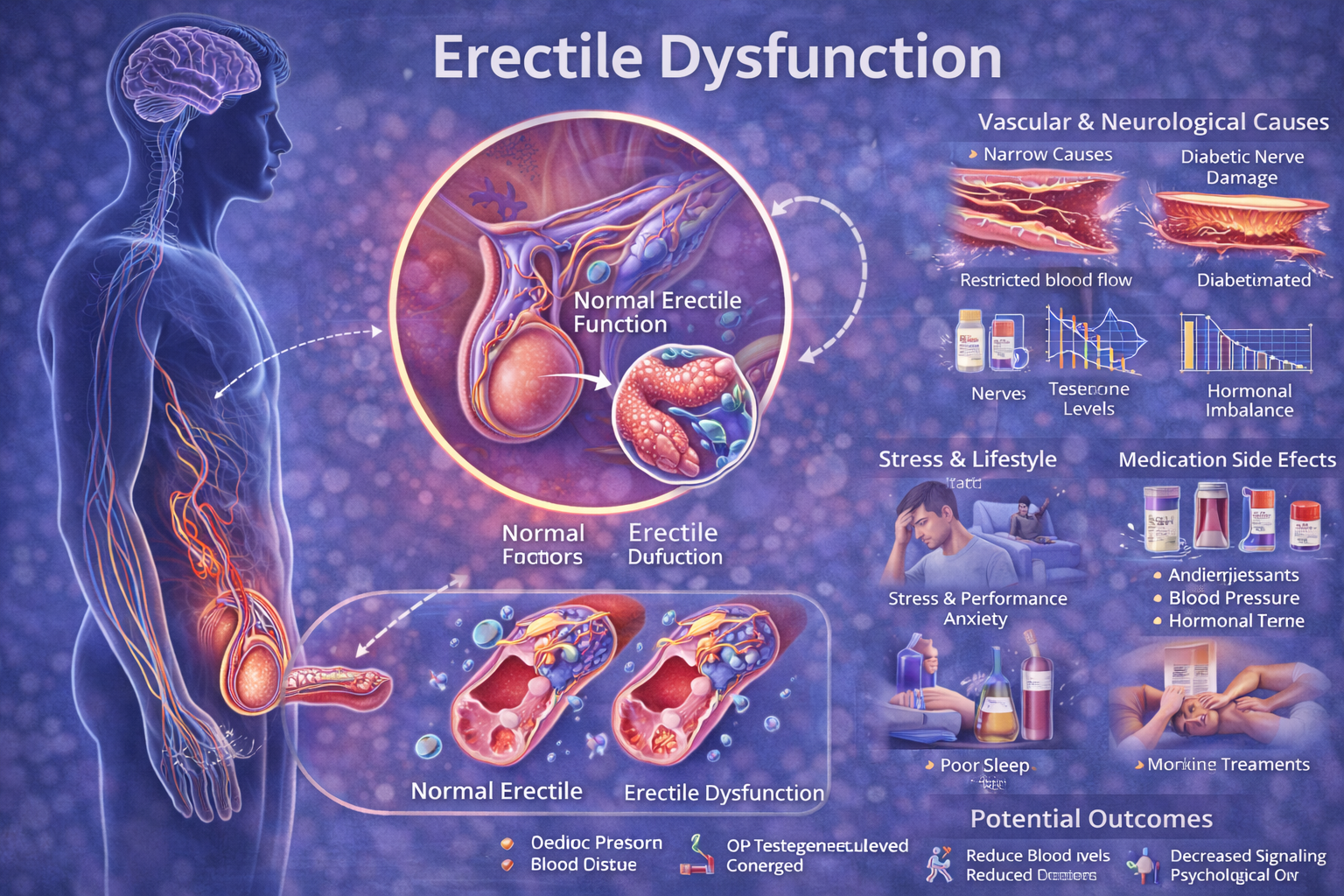
Causes of Erectile Dysfunction Beyond Age
Erectile dysfunction (ED) beyond age is primarily caused by vascular diseases (heart disease, hypertension), diabetes, psychological factors (stress, depression, anxiety), neurological disorders (multiple sclerosis, Parkinson’s), hormonal imbalances, and lifestyle factors like obesity, smoking, or excessive alcohol. Medications (antidepressants, antihypertensives) and pelvic nerve damage can also cause ED.
1. Hormonal Imbalance
Low testosterone is one of the most common and treatable causes of ED. Even mild testosterone decline can impact:
-
- Libido
-
- Erection firmness
-
- Stamina
-
- Mood
-
- Confidence
Other hormonal contributors include thyroid dysfunction, elevated cortisol from chronic stress, and insulin resistance.
At Lumora Wellness, advanced hormonal profiling allows us to detect subtle imbalances that traditional evaluations may overlook.
2. Vascular Dysfunction (Poor Blood Flow)
Erections depend on healthy circulation. Conditions that restrict blood flow can impair erectile performance.
Common vascular contributors include:
-
- High blood pressure
-
- Elevated cholesterol
-
- Atherosclerosis
-
- Diabetes
-
- Smoking-related vascular damage
Importantly, erectile dysfunction can be an early warning sign of cardiovascular disease.
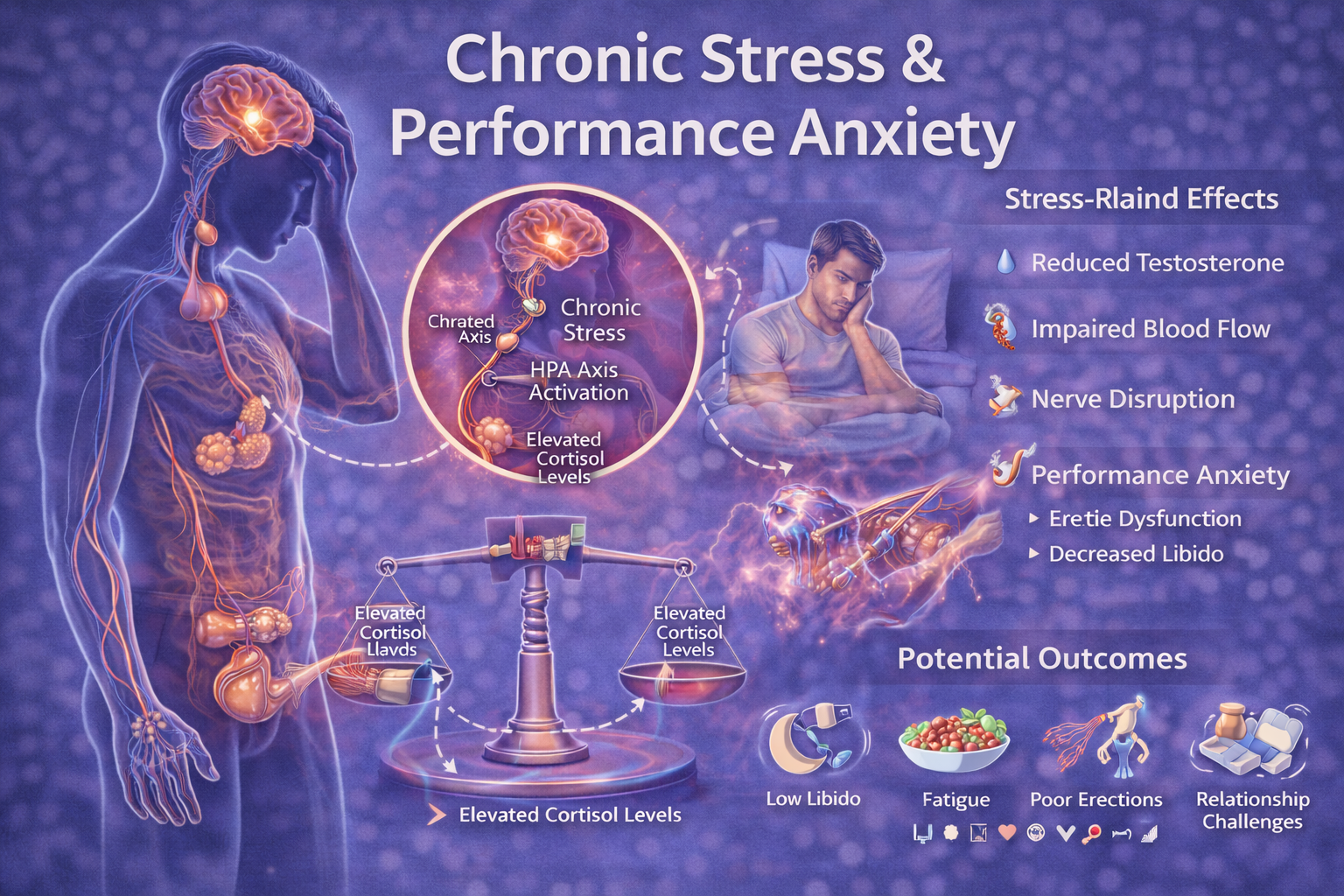
3. Chronic Stress & Performance Anxiety
Persistent stress elevates cortisol levels, suppresses testosterone, and disrupts nervous system signaling.
Modern lifestyle pressures including work stress, financial strain, and relationship concerns frequently contribute to ED, even in younger men.
4. Metabolic & Inflammatory Conditions
Obesity, insulin resistance, and chronic inflammation disrupt both hormone production and blood vessel function.
Addressing metabolic health is often a key component of restoring erectile performance.
5. Lifestyle Factors
Daily habits significantly influence sexual health.
Contributing factors include:
-
- Smoking
-
- Excess alcohol use
-
- Poor sleep
-
- Sedentary lifestyle
-
- Nutrient deficiencies
Small, targeted lifestyle improvements can produce measurable performance gains.
Why Erectile Dysfunction Should Not Be Ignored
ED is often a signal of underlying health issues. It may be an early indicator of:
-
- Cardiovascular disease
-
- Hormonal deficiency
-
- Insulin resistance
-
- Chronic inflammation
Addressing ED can lead to broader improvements in overall health.
Advanced Treatment Options for Erectile Dysfunction
Treatment should be based on the underlying cause, not just symptom management.
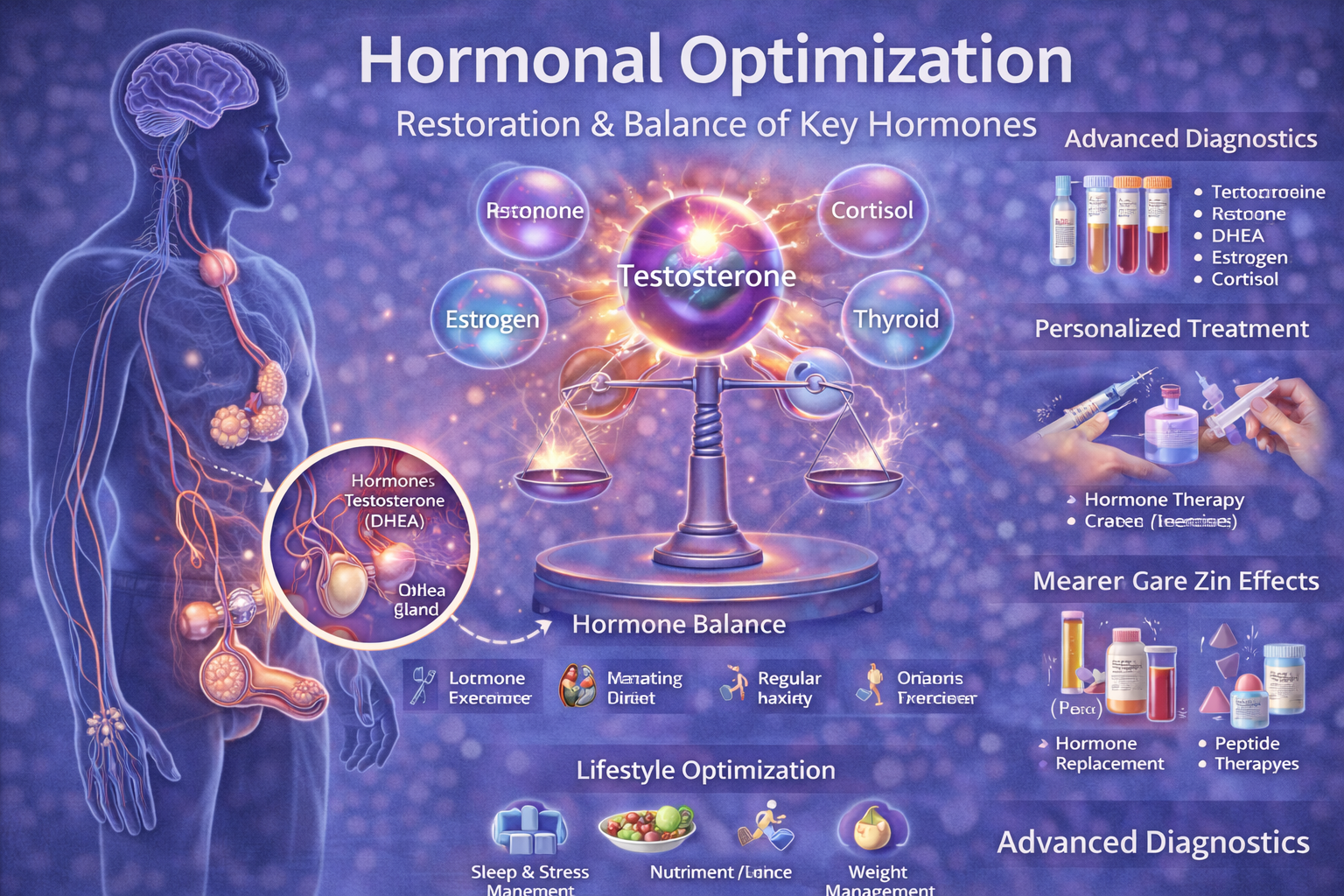
1. Hormonal Optimization
Comprehensive hormone testing can identify testosterone deficiency or other endocrine imbalances. Restoring optimal hormone levels may significantly improve erectile function and libido.
2. Vascular Health Support
Improving blood flow through lifestyle changes, medical management, and advanced therapies can restore erectile quality.
3. Regenerative Therapies
Modern regenerative approaches aim to:
-
- Enhance blood vessel function
-
- Stimulate tissue repair
-
- Improve nerve signaling
-
- Support natural erectile response
These therapies focus on long-term restoration rather than temporary enhancement.
4. Lifestyle & Metabolic Optimization
Addressing weight, sleep, stress, and nutrition can dramatically improve sexual health. Exercise alone has been shown to improve erectile function by enhancing circulation and hormone balance.
5. Psychological Support
Counseling or therapy may help when performance anxiety, stress, or relationship challenges are contributing factors.
Restore Performance. Reclaim Confidence
You do not have to accept erectile dysfunction as an inevitable part of aging.
At Lumora Wellness, we combine advanced diagnostics, hormonal expertise, regenerative medicine, and personalized care to help men restore performance, confidence, and vitality.
Schedule Your Confidential Consultation Today
Discover the real cause behind your erectile dysfunction and explore personalized, advanced treatment options tailored to your body.
Book your private consultation with Lumora Wellness and take the first step toward restoring optimal performance and long-term health.