


Causes of Low Sperm Count and Advanced Treatment Options

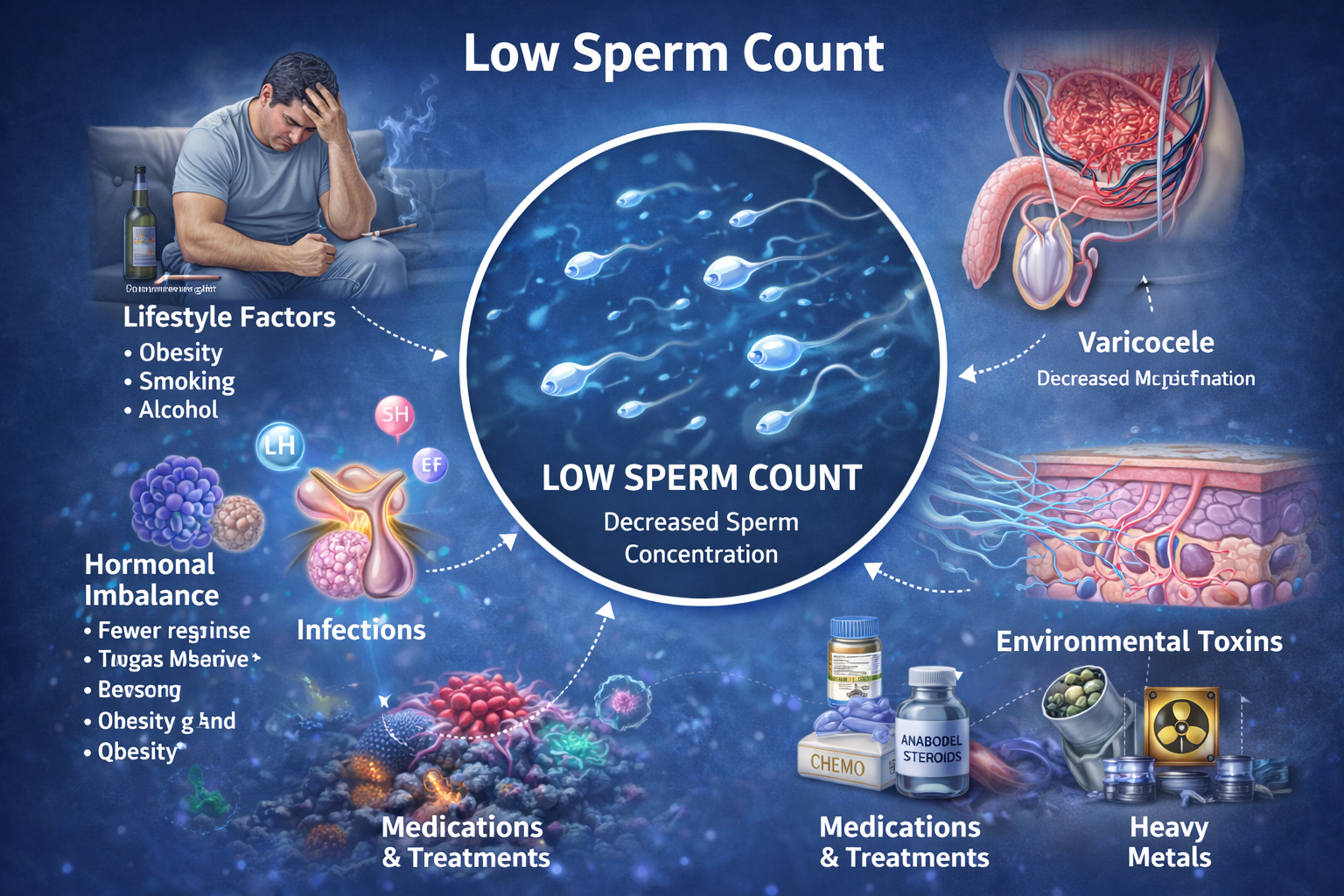
Low sperm count is one of the most common contributors to male infertility, affecting millions of couples worldwide. Medically known as oligospermia, low sperm count occurs when semen contains fewer sperm than normal, reducing the chances of successful fertilization.
Understanding the causes of low sperm count and exploring advanced treatment options for male infertility can significantly improve reproductive outcomes and overall health.
What Is a Low Sperm Count?
Low sperm count refers to a condition in which a man’s semen contains fewer sperm cells than normal. According to medical standards, this is defined as having less than 15 million sperm per millilitre of semen. In more severe cases, some men may have no measurable sperm in their semen, a condition known as azoospermia.
Despite a reduced sperm count, natural conception is still possible because only one healthy sperm is required to fertilize an egg. Although having fewer sperm can decrease the likelihood of pregnancy, it does not automatically mean infertility. With appropriate medical care, targeted treatment, and healthy lifestyle modifications, many men with low sperm counts are able to achieve successful conception.
Common Causes of Low Sperm Count
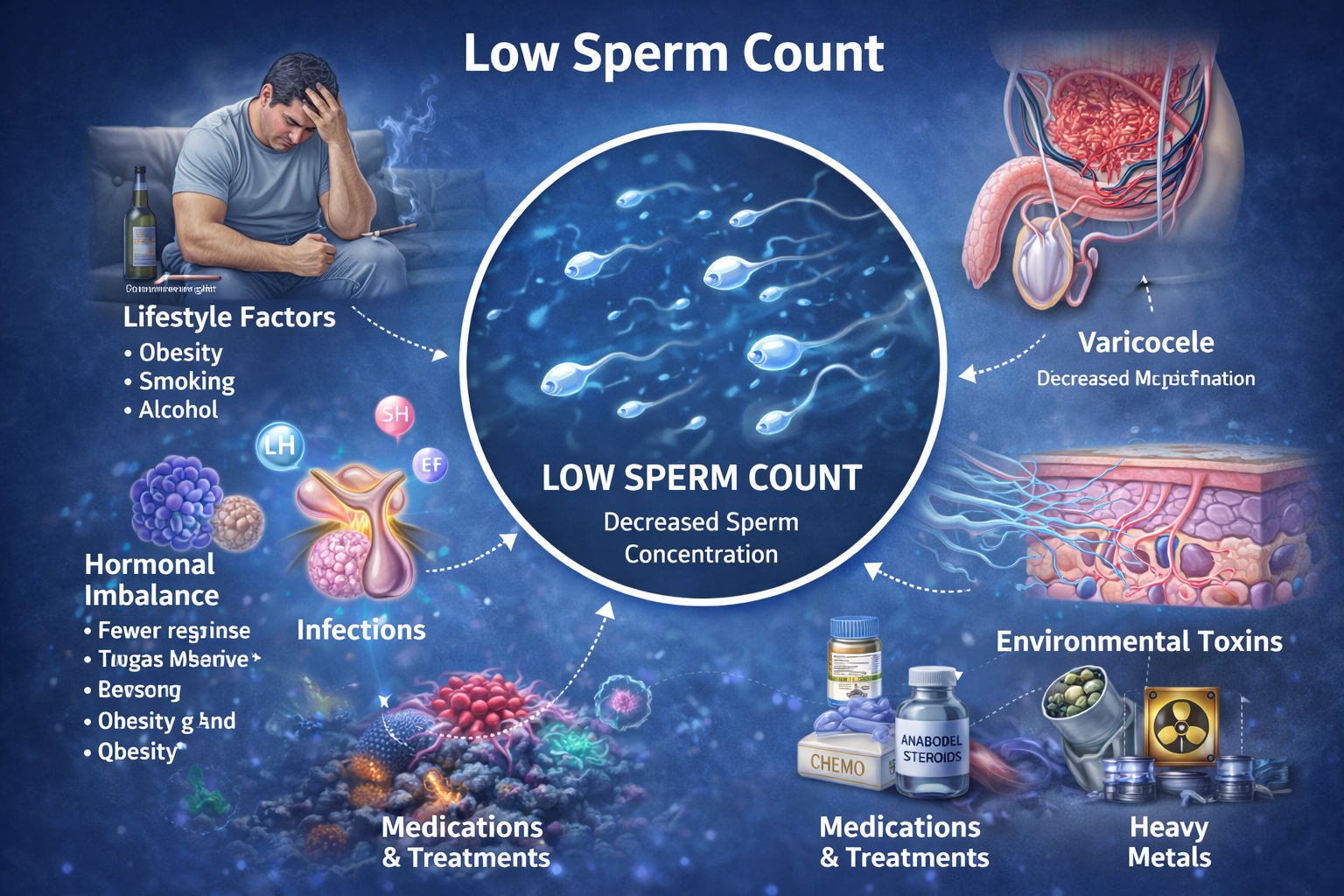
Low sperm count can result from a variety of medical, hormonal, environmental, and lifestyle-related factors. Identifying the underlying cause is essential for improving fertility outcomes and selecting the right treatment approach. Below are some of the most common causes:
1. Hormonal Imbalances
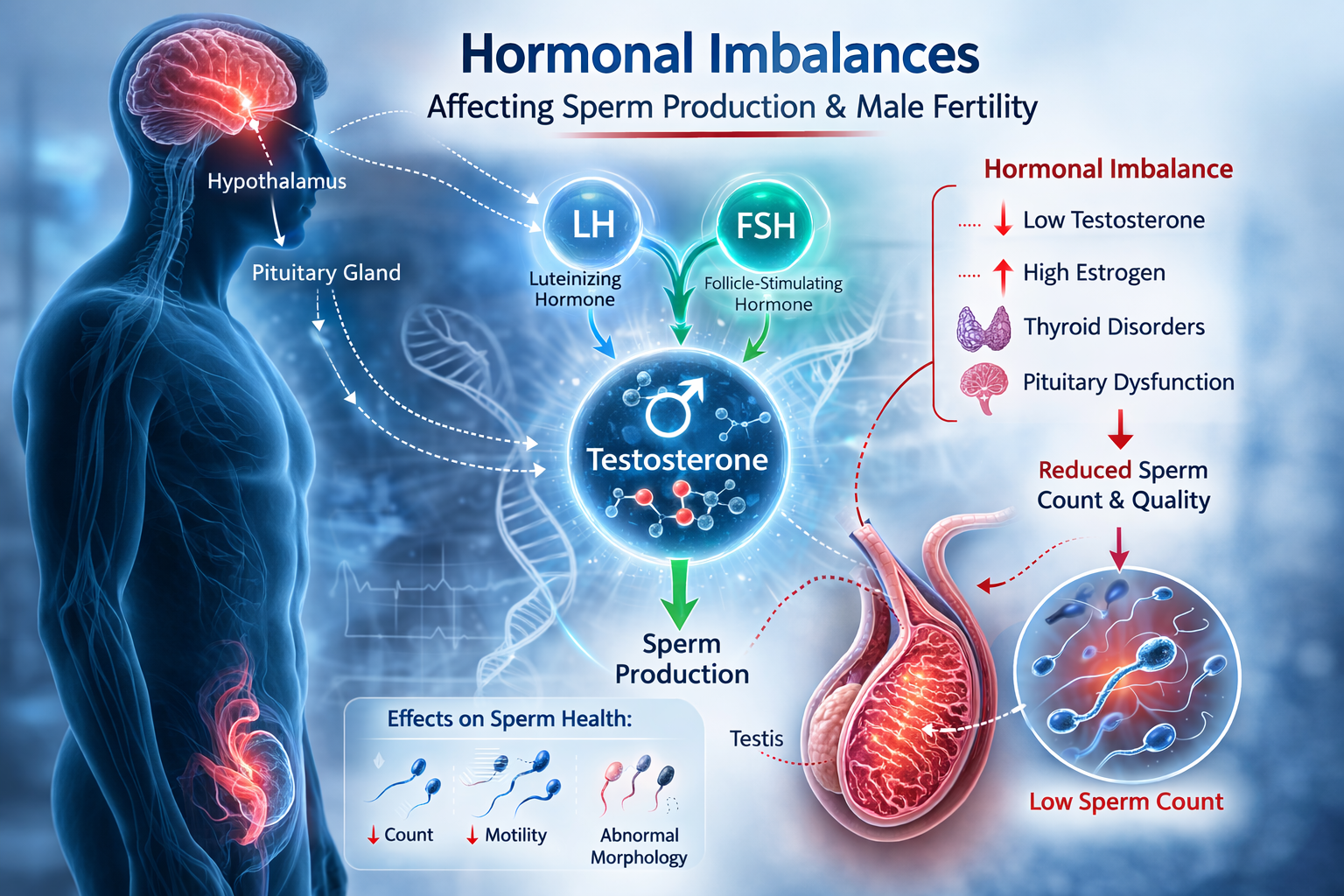
Sperm production depends on proper hormonal regulation, including testosterone, follicle-stimulating hormone (FSH), and luteinizing hormone (LH). Conditions such as low testosterone, thyroid disorders, or pituitary gland dysfunction can disrupt sperm production.
2. Varicocele
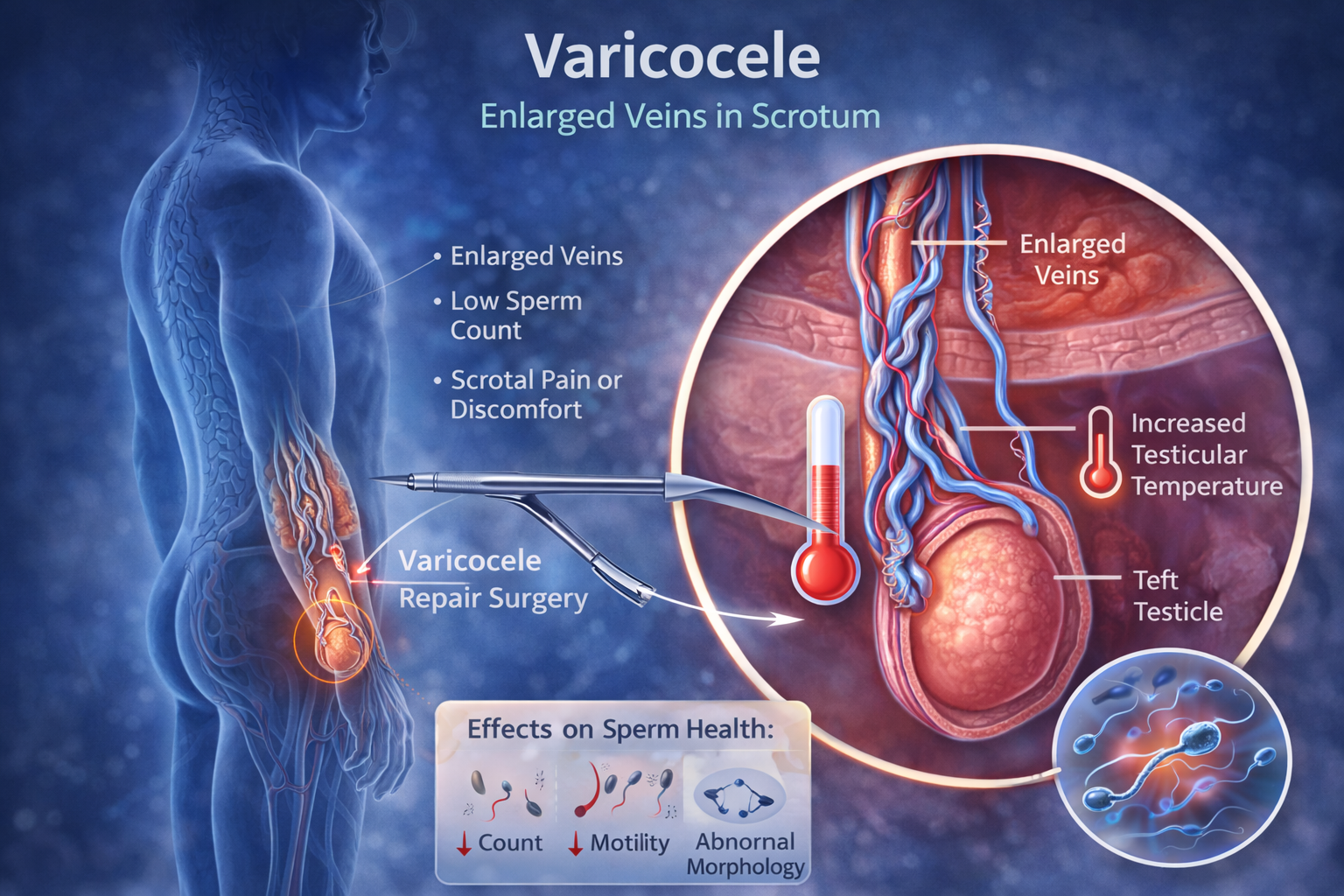
A varicocele is an enlargement of veins within the scrotum that can increase testicular temperature and impair sperm development. It is one of the most frequent and treatable causes of male infertility.
3. Infections
Certain infections, including sexually transmitted infections (STIs), prostatitis, and epididymitis, can interfere with sperm production or block sperm transport.
4. Lifestyle Factors
Unhealthy habits can significantly impact sperm health. Smoking, excessive alcohol use, obesity, poor diet, chronic stress, and lack of sleep are all linked to reduced sperm count and quality.
5. Heat Exposure
Frequent exposure to high temperatures such as hot tubs, saunas, tight clothing, or prolonged laptop use on the lap can negatively affect sperm production by raising testicular temperature.
6. Environmental Toxins
Exposure to pesticides, heavy metals, radiation, and industrial chemicals may damage sperm DNA and reduce sperm production.
7. Medications and Medical Treatments
Certain medications, chemotherapy, radiation therapy, anabolic steroid use, and some long-term treatments can lower sperm production either temporarily or permanently.
8. Genetic Conditions
Inherited disorders such as chromosomal abnormalities or Y chromosome microdeletions can interfere with normal sperm development.
Symptoms of Low Sperm Count
Many men experience no obvious symptoms. However, possible signs may include:
-
- Difficulty conceiving
-
- Low libido
-
- Erectile dysfunction
-
- Testicular pain or swelling
-
- Hormonal imbalance symptoms
A semen analysis is the primary diagnostic test used to evaluate sperm count, motility, and morphology.
Advanced Treatment Options for Low Sperm Count
Advanced treatment for low sperm count (oligospermia) and infertility involves regenerative stem cell therapy and exosome-based technologies to repair testicular tissue, boost hormone levels, and stimulate spermatogenesis. These cutting-edge methods offer hope for azoospermia and severe infertility, utilizing regenerative cells (e.g., MSCs) and exosomes to improve sperm quality and count.
Key Advanced Treatment Options
-
- Mesenchymal Stem Cell (MSC) Therapy: Stem cells, derived from bone marrow, adipose tissue, or umbilical cord tissue, are injected into the testes to repair damage from environmental toxins, infections (like Chlamydia), or trauma, promoting the regeneration of spermatogonial stem cells.
-
- Exosome Therapy: Exosomes, small vesicles derived from stem cells, are used to deliver growth factors, miRNAs, and proteins directly to reproductive tissues. These enhance cell-to-cell communication, reduce inflammation, protect sperm from oxidative stress, and accelerate tissue regeneration.
-
- Spermatogonial Stem Cell (SSC) Transplantation: This specialized technique involves isolating a patient’s own SSCs, which are then cultivated and transplanted back into the seminiferous tubules to restore natural sperm production.
-
- Combined Therapy (Stem Cells + Exosomes): A hybrid approach using both stem cells and exosome injections can accelerate recovery, providing a 300% higher concentration of growth factors to enhance motility and morphology.
Benefits and Applications
-
- Non-Invasive Potential: Exosome therapy offers a less invasive option compared to traditional testicular surgeries.
-
- Improved Sperm Parameters: Studies indicate improvements in sperm count, motility, and morphology.
-
- Treatment of Infertility Root Causes: Targets the underlying causes of low sperm count, including hormonal imbalances, inflammatory conditions, and testicular dysfunction.
-
- Support for IVF: These therapies are being integrated into infertility treatment protocols to boost overall success rates for Assisted Reproductive Technologies (ART).
How to Prevent Low Sperm Count and Improve Fertility?
Making positive lifestyle adjustments can significantly improve sperm health, even though certain causes of low sperm count and male infertility may not be preventable. Below are effective strategies to support and protect male reproductive health:
-
- Avoid smoking, recreational drug use, and excessive alcohol consumption.
-
- Maintain a healthy body weight through balanced nutrition and regular physical activity.
-
- Reduce heat exposure to the testicles by avoiding hot tubs, prolonged sauna use, and tight-fitting underwear.
-
- Manage stress through exercise, meditation, or professional counseling.
Adopting a fertility-supportive diet is also essential. Include foods known to enhance male reproductive health, such as:
-
- Walnuts and almonds
-
- Leafy greens like spinach
-
- Eggs, which are rich in vitamin E
-
- Fruits such as bananas and berries
-
- Oily fish like salmon, tuna, and herring, which provide omega-3 fatty acids
These foods are packed with antioxidants, vitamins (especially C and E), zinc, and selenium nutrients that play a key role in improving sperm count, motility, and overall sperm quality.
Why Choose Lumora Wellness?
At Lumora Wellness, we combine:
-
- Advanced diagnostic testing
-
- Hormonal and regenerative expertise
-
- Personalized fertility optimization plans
-
- Evidence-based, minimally invasive therapies
-
- A discreet and compassionate care environment
We focus on restoring vitality, not just numbers on a lab report.
Take Control of Your Fertility Today
Male fertility challenges can feel overwhelming but solutions exist.
At Lumora Wellness, we create personalized, science-driven strategies to restore hormonal balance, enhance sperm health, and optimize natural reproductive function.
Schedule Your Confidential Fertility Consultation
Discover the underlying cause of low sperm count and explore advanced treatment options tailored specifically to you.
Book your private consultation with Lumora Wellness today and take the first step toward restoring reproductive confidence and long-term vitality.