


Can Regenerative Therapy Help with Azoospermia?

Azoospermia the complete absence of sperm in semen is one of the most challenging diagnoses in male infertility. For many men, it can feel overwhelming and final. However, advances in regenerative medicine are opening new possibilities.
So, can regenerative therapy help with azoospermia? The answer depends on the underlying cause but emerging research and clinical innovation suggest that regenerative approaches may offer hope in select cases.
What Is Azoospermia?
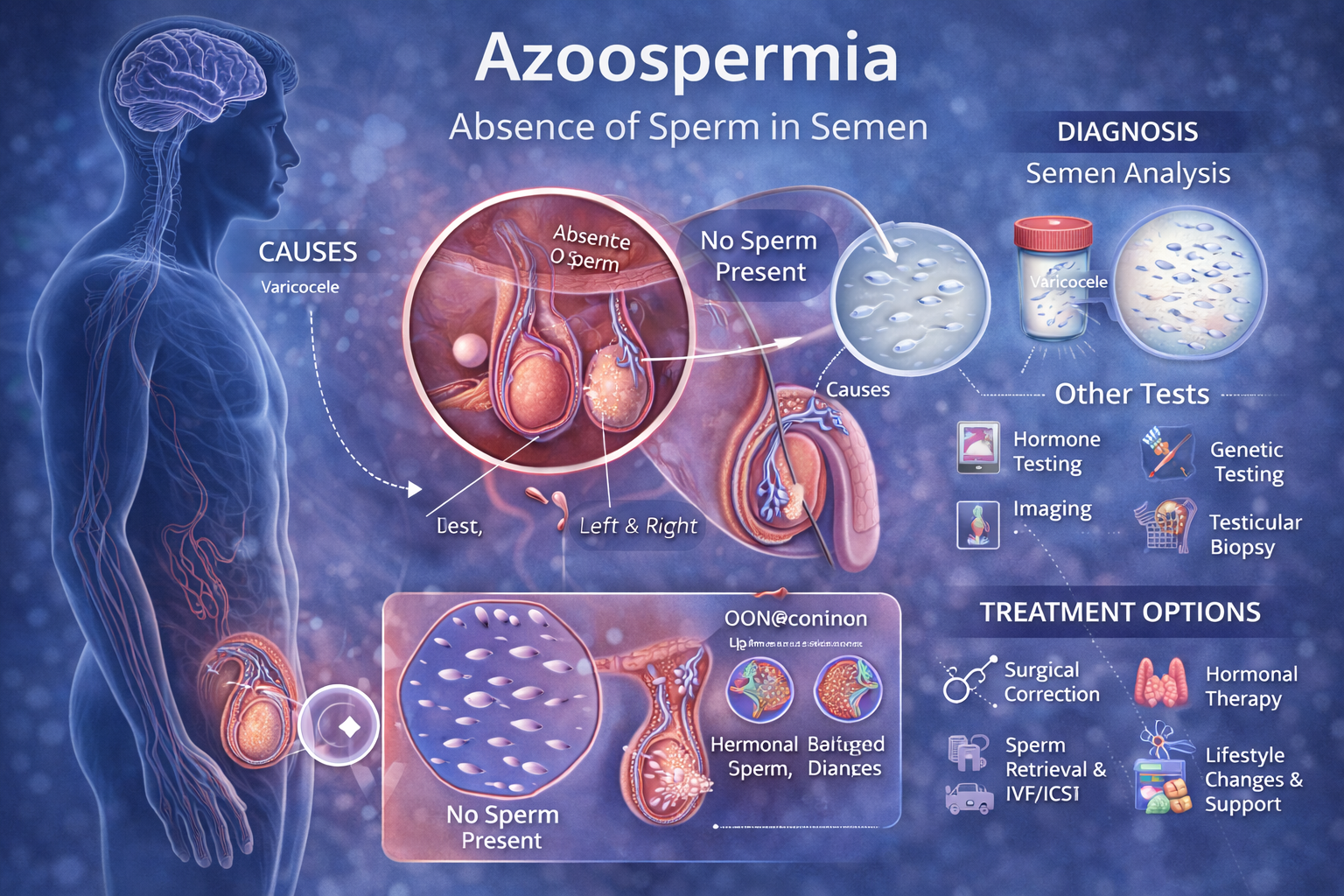
Azoospermia is a medical condition defined by the complete absence of sperm in a man’s ejaculate, affecting approximately 1% of all men and 10–15% of infertile men. It is confirmed via semen analysis and can be caused by blockages (obstructive) or Penn Medicine production issues (nonobstructive).
Key Aspects of Azoospermia:
-
- Types:
-
- Obstructive Azoospermia (OA): Sperm are produced, but a blockage in the reproductive tract (due to injury, infection, or surgery like a vasectomy) prevents them from leaving.
-
- Non-obstructive Azoospermia (NOA): The testes produce little to no sperm due to hormonal, genetic, or developmental issues
.
- Non-obstructive Azoospermia (NOA): The testes produce little to no sperm due to hormonal, genetic, or developmental issues
-
- Types:
-
- Diagnosis: Requires at least two separate, detailed semen analyses involving centrifugation (spinning to concentrate any sperm).
-
- Symptoms: Usually no obvious physical symptoms other than infertility.
-
- Treatment: Depending on the type, treatment options may include surgery to fix a blockage, medication, or Assisted Reproductive Technologies (ART) like IVF/ICSI.
What Is Regenerative Therapy?
Regenerative therapy focuses on restoring tissue function at the cellular level. Rather than simply bypassing the problem (as in IVF with sperm retrieval), regenerative medicine aims to improve the biological environment that supports sperm production.
These therapies may include:
-
- Cellular signaling therapies
-
- Growth factor–based treatments
-
- Platelet-derived regenerative approaches
-
- Targeted hormonal optimization
-
- Anti-inflammatory and antioxidant therapies
How Regenerative Therapy May Help in Azoospermia
Regenerative therapy using stem cells and exosomes offers a promising approach for azoospermia (lack of sperm) by repairing damaged testicular tissues, stimulating spermatogenesis (sperm production), and reversing tissue injury from infertility causes. Stem cells replace lost germ cells, while exosomes deliver bioactive molecules to accelerate tissue repair and improve sperm quality.
Key Mechanisms of Action:
-
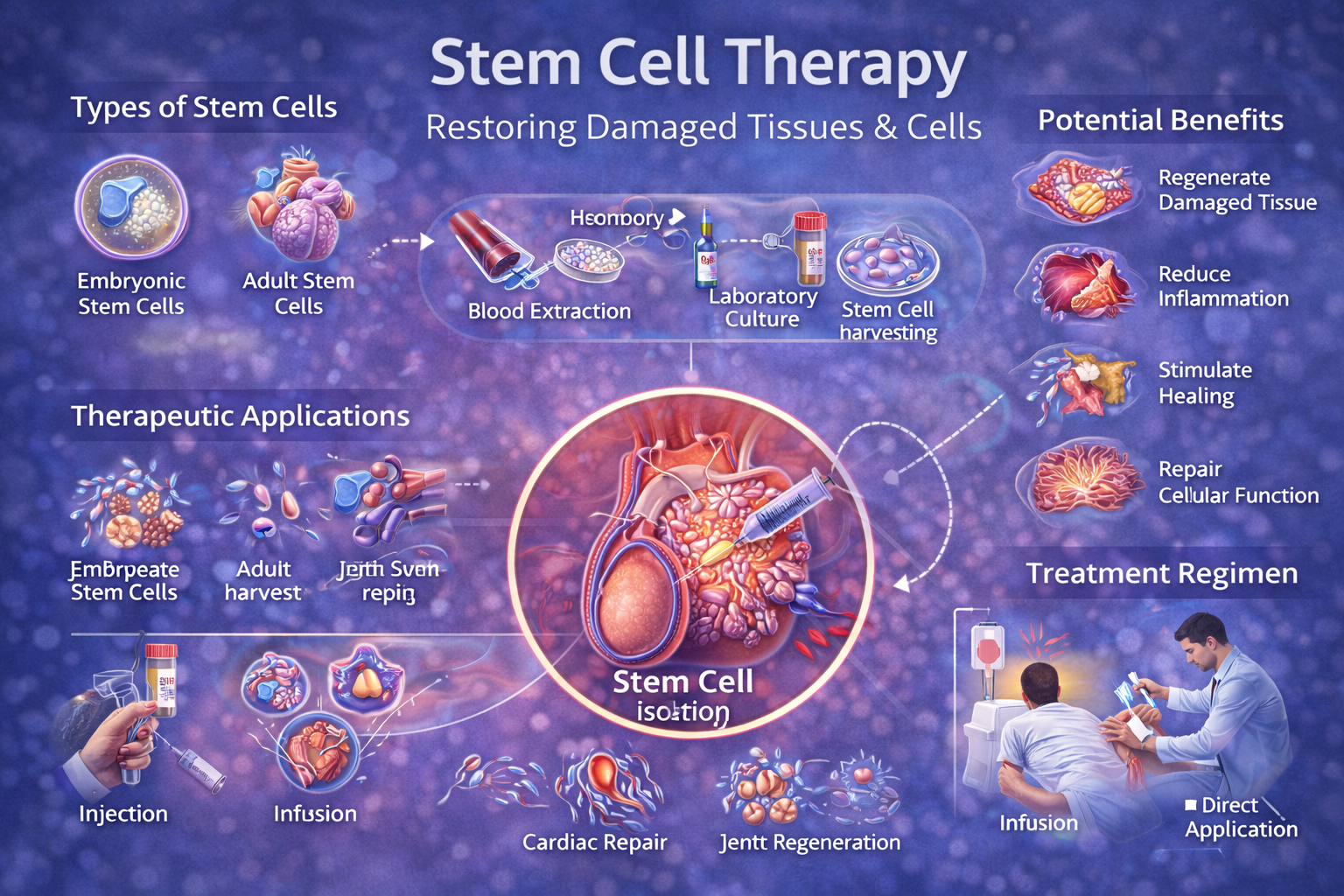
- Stem Cell Therapy (SCT): Mesenchymal stromal/stem cells (MSCs) and spermatogonial stem cells (SSCs) can be transplanted into the seminiferous tubules to differentiate into new germ cells or create a conducive environment for existing cells to regenerate. This approach aims to restore spermatogenesis in non-obstructive azoospermia (NOA).
-
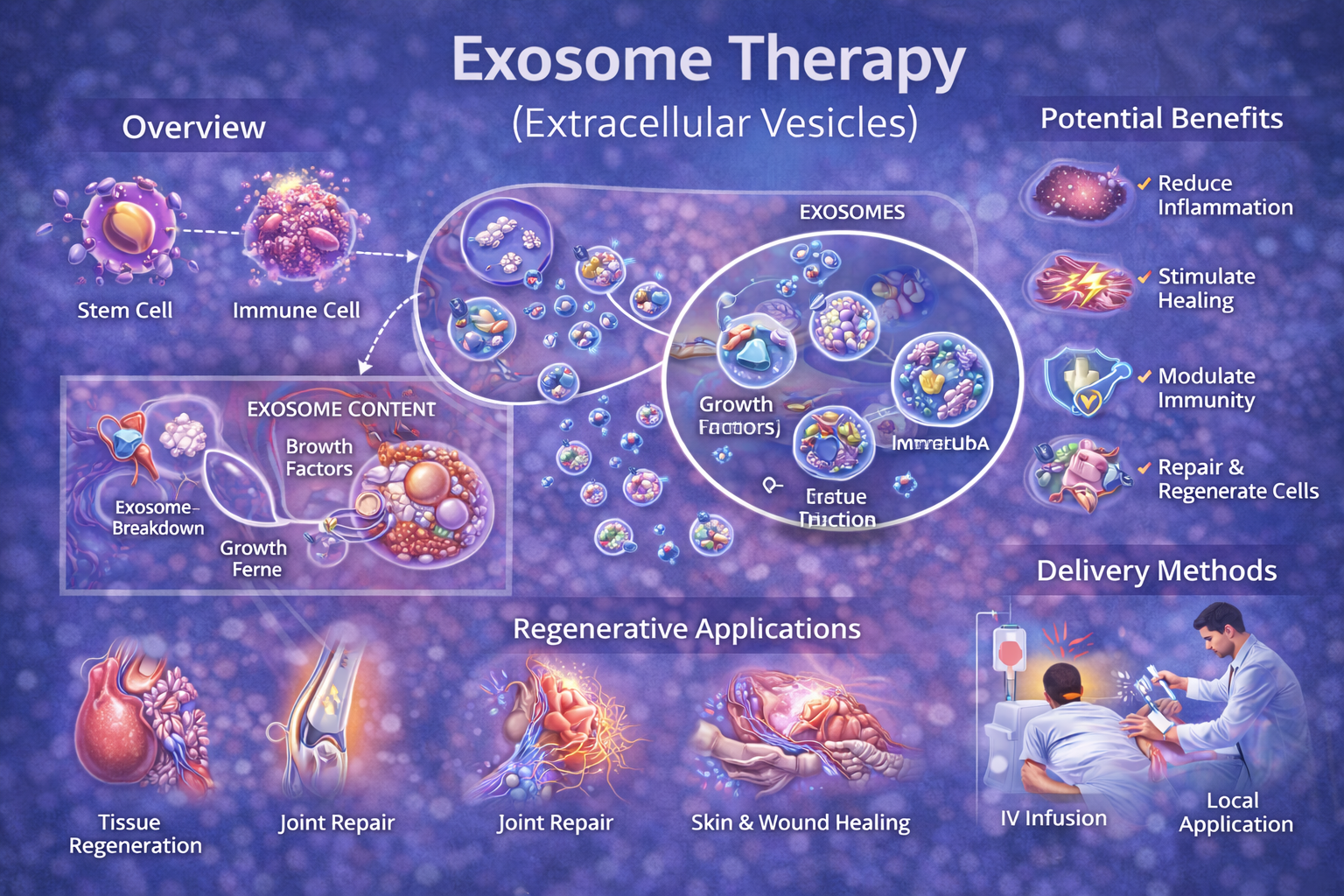
- Exosome Therapy (Extracellular Vesicles): Exosomes are nano-sized messengers released by stem cells that carry proteins, RNA, and lipids. They are used for non-invasive, cell-free treatment to reduce inflammation, counteract oxidative stress, and stimulate tissue repair, offering a safe alternative that lowers the risk of tumor formation (teratoma).
-
- Synergistic Effects: Combining stem cells, exosomes, and sometimes platelet-rich plasma (PRP) enables both cell replacement and repair of the damaged testicular microenvironment, supporting better sperm maturation.
Who May Be a Candidate?
You may be a potential candidate for regenerative fertility optimization if you:
-
- Have non-obstructive azoospermia
-
- Demonstrate hormonal imbalance
-
- Show evidence of partial spermatogenesis
-
- Have elevated inflammatory markers
-
- Wish to explore natural restoration before relying solely on assisted reproduction
A personalized consultation is essential.
Take the First Step Toward Restoring Fertility
Azoospermia does not automatically mean the end of biological fatherhood. Modern regenerative strategies offer new hope for carefully selected patients.
At Lumora Wellness, we combine advanced diagnostics, precision hormonal care, and regenerative medicine to help you explore every possible pathway toward natural fertility.
Schedule Your Confidential Fertility Consultation
Discover whether regenerative therapy may be appropriate for your case of azoospermia.
Book your private consultation with Lumora Wellness today and take the first step toward restoring reproductive potential and long-term vitality.